How Soil and Weather Impact Your Concrete Foundation
Core Insight: Concrete foundations fail not because of the material itself, but due to unstable soil conditions, poor compaction, and uncontrolled moisture from weather exposure. By understanding soil behavior, managing drainage, and adjusting construction practices to climate conditions, property owners can prevent cracking, settling, and long-term structural damage.
What if the biggest threats to your concrete foundation aren’t visible at all? What if the soil under your home and the weather around it are quietly working against it every day? Concrete foundations do not fail randomly. When cracks, settling, or moisture problems appear, the cause almost always traces back to soil conditions, weather exposure, or a combination of both. Ignoring these factors during planning and construction is one of the most expensive mistakes a property owner can make. Concrete is strong, but it is not immune to the forces beneath and around it. Soil behavior and weather patterns directly influence how a foundation performs over time.
Why Soil Matters
According to concrete foundation services in Lafayette, soil is the true support system of any concrete foundation. Concrete does not float. It transfers load directly into the ground. If the soil beneath is unstable, inconsistent, or poorly prepared, even the best concrete mix cannot compensate.
Clay-heavy soils are a major concern in many regions. Clay expands when wet and shrinks when dry.
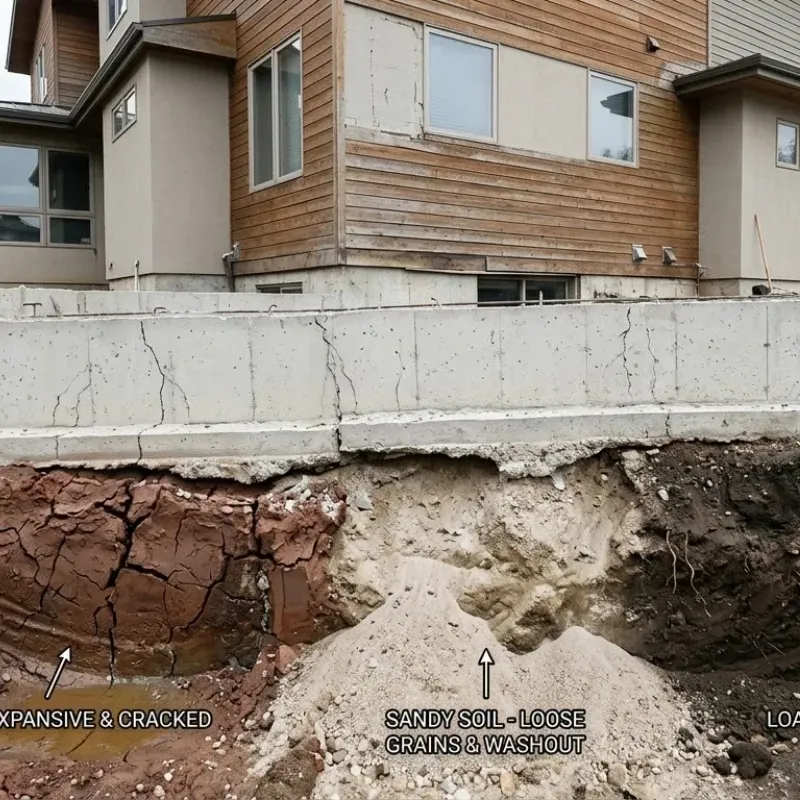
This constant movement places stress on concrete foundations, leading to cracks, uneven settling, and long-term structural issues. Sandy soils present different challenges. While they drain well, they lack cohesion and can shift or wash out if not properly compacted and contained.
Loam soils, which are a mix of sand, silt, and clay, are generally more stable but still require proper preparation. No soil type is problem-free. The key difference lies in understanding how each behaves under load and moisture changes.
Soil Compaction and Load Bearing Capacity
Our concrete foundation experts frequently notice that one of the most overlooked steps is proper soil compaction. Loose or poorly compacted soil will compress over time once the weight of the structure is introduced. This results in settling, which often shows up as cracked slabs, uneven floors, or stressed walls.
Compaction is not just about running equipment over the surface. It requires moisture control, lift-by-lift compaction, and verification that the soil can support the intended load. Skipping this step to save time or money almost always leads to repairs later. Foundations demand a stable, uniform base. Anything less invites failure.
Strong, durable concrete is the result of deliberate planning and lessons learned across successful projects. See how maximizing concrete durability through expert planning and project knowledge supports long-term results.
Expansive Soils and Moisture Sensitivity
Expansive soils are particularly destructive to concrete foundations. These soils swell dramatically when exposed to moisture and contract during dry periods. This movement creates upward pressure, known as heave, and downward voids as soil dries out.
Moisture control is critical in these environments. Proper grading, drainage systems, and consistent moisture levels around the foundation help reduce soil movement. Without these measures, concrete is forced to absorb the stress, and concrete does not flex well under uneven pressure.
Weather Conditions During Installation
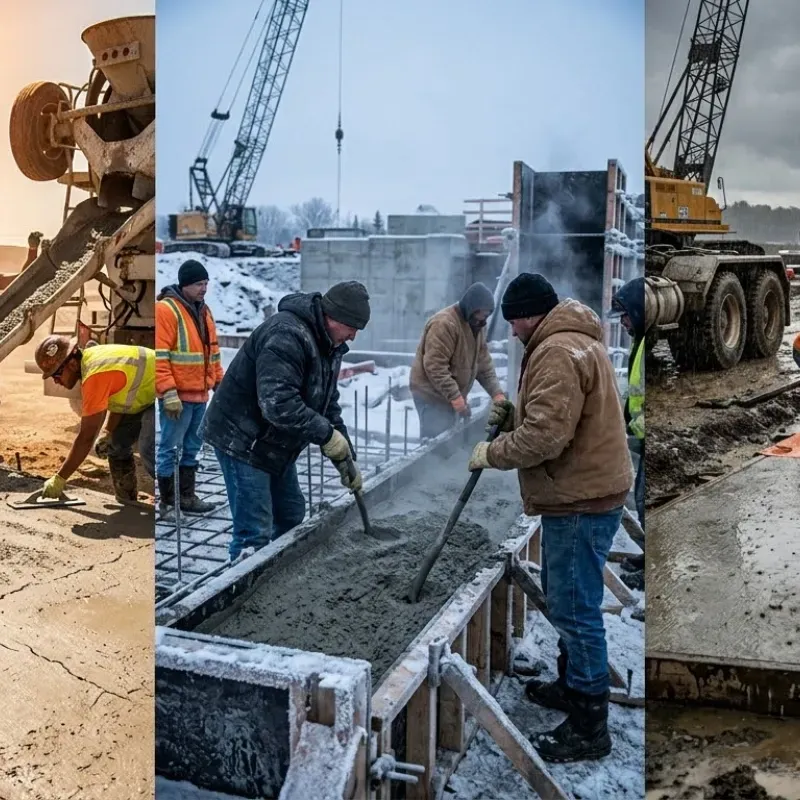
Weather does not just affect concrete after it cures. It plays a major role during installation. Pouring concrete in extreme heat, cold, or wet conditions can compromise strength and durability from day one.
High temperatures accelerate curing. When concrete cures too quickly, it does not achieve optimal strength.
This can result in surface cracking and reduced long-term durability. Cold weather slows hydration and can cause freezing before concrete gains sufficient strength, leading to internal damage that may not be visible immediately.
Rain during or shortly after placement can wash cement paste from the surface, weaken the mix, and disrupt finishing. Proper scheduling, protection, and curing practices are essential to ensure the foundation reaches its intended performance level.
Long-Term Weather Exposure and Foundation Stress
Once installed, foundations are exposed to years of weather cycles. Rainfall patterns, humidity, droughts, and temperature swings all influence soil behavior and concrete performance.
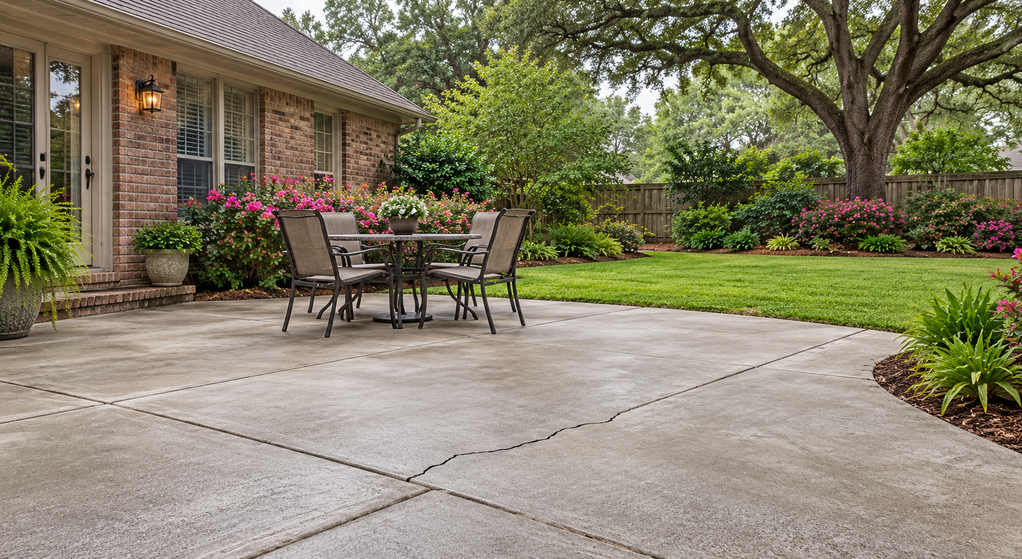
Heavy rainfall increases soil moisture, raising hydrostatic pressure against foundation walls. Poor drainage allows water to accumulate, increasing the risk of cracking and moisture intrusion. Extended dry periods can cause soil shrinkage, leaving voids beneath slabs and footings.
Temperature fluctuations also matter. Concrete expands and contracts with temperature changes. While this movement is minimal, repeated cycles over time can worsen existing cracks or joint failures if proper control joints and reinforcement are not in place.
Drainage Is Non-Negotiable
No foundation can perform well without proper drainage. Water is one of concrete’s most persistent enemies. Standing water saturates soil, increases pressure, and accelerates deterioration.
Effective drainage includes proper grading away from the foundation, functional gutters and downspouts, and in some cases, subsurface drainage systems. These measures work together to control moisture levels around the foundation. Without them, even well-built concrete is at risk.
Drainage is not an optional upgrade. It is a core structural consideration that directly affects foundation longevity.
Reinforcement and Concrete Mix Design
Soil and weather conditions should dictate reinforcement strategies and concrete mix selection. Foundations exposed to challenging soil conditions or aggressive weather require stronger mixes and properly placed reinforcement.
Concrete with sufficient compressive strength, typically 3000 PSI or higher for foundations, provides a margin of safety.
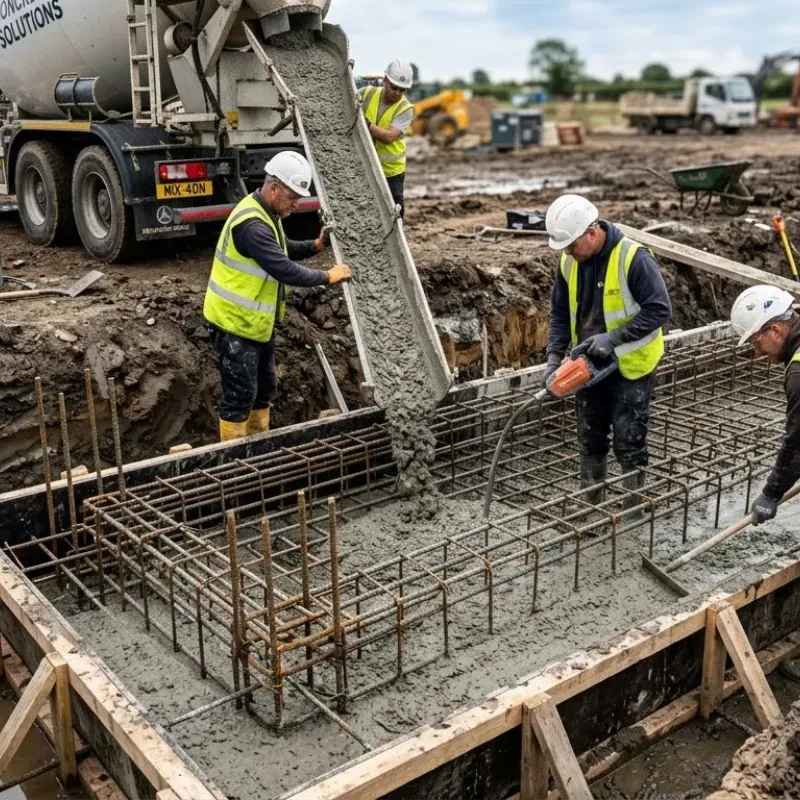
Reinforcement such as rebar helps control cracking and distributes stress more evenly. However, reinforcement only works when correctly positioned and supported during the pour.
Concrete cannot be treated as a one-size-fits-all material. Soil type, moisture exposure, and climate must inform every design decision.
Durable concrete comes from understanding the science behind every mix. Find out how to choose the right commercial concrete mix for durability and make your structure stand strong.
Common Failure Patterns Linked to Soil and Weather
Many foundation problems follow predictable patterns. Vertical cracks often indicate normal shrinkage or minor settlement. Stair-step cracks in masonry can signal uneven soil movement. Wide or shifting cracks suggest ongoing soil instability or drainage failures.
Moisture intrusion, mold growth, and interior floor movement often trace back to exterior grading or soil saturation issues. These problems rarely originate in the concrete itself. They begin with the environment surrounding it.
Understanding these patterns helps property owners recognize early warning signs before damage becomes severe.
Planning for Real-World Conditions
A strong foundation starts with realistic planning. Soil testing, proper site evaluation, and climate-aware construction practices are essential. Cutting corners during preparation almost guarantees problems later.
Foundations should be designed to handle worst-case conditions, not ideal ones. Soil will get wet. Droughts will happen. Weather will fluctuate. Concrete foundations must be built with these realities in mind.

Final Thoughts
Soil and weather are not secondary concerns. They are the defining factors that determine whether a concrete foundation performs reliably or fails prematurely. Concrete alone cannot overcome poor soil preparation or uncontrolled moisture exposure.
Foundations that last are those built with a clear understanding of ground conditions and environmental stressors. When soil behavior and weather patterns are properly accounted for, concrete foundations deliver the strength, stability, and longevity they are meant to provide. Ignoring these factors is not a gamble worth taking.

Written By:
Kurt Manalastas
Home & Property Research Journalist
Kurt is a Home & Property Research Journalist who researches and writes educational content on home services, property improvement, and residential decision-making. He focuses on translating real-world contractor experience, industry standards, and verified research into clear, practical guidance that helps homeowners understand their options and make informed decisions.