Preventing Foundation Problems: Expert Concrete Solutions for Lafayette Homeowners
What Most Buyers Miss:
Foundation problems in Lafayette are primarily caused by expansive clay soils, poor preparation, weak concrete, and inadequate drainage, all of which lead to shifting and recurring cracks. Long-term stability comes from designing foundations around local soil behavior with proper compaction, reinforcement, drainage, and construction practices from the start.
Why do so many homes in Lafayette show the same warning signs year after year? Why do cracks keep reappearing even after repairs? And why do foundation fixes so often feel temporary rather than permanent? That’s because many foundations are built to meet minimum expectations instead of real conditions. South Louisiana soil does not forgive shortcuts. It expands, contracts, and shifts relentlessly. If a foundation is not designed to handle that movement from the very beginning, failure becomes a matter of when, not if.
Understanding Lafayette’s Soil Reality
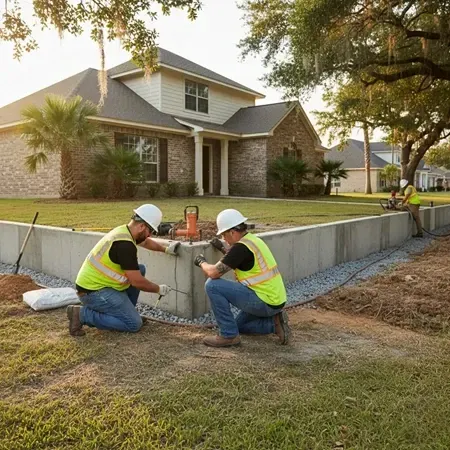
The soil in Lafayette is primarily clay-based with high plasticity. This means it expands when wet and contracts when dry. Seasonal rain patterns and groundwater fluctuations constantly move the soil beneath homes. Foundations that fail to account for this movement are destined to shift. According to
concrete foundation services in Lafayette, thin slabs, weak footings, or poorly compacted subgrades allow the soil to dictate the structure’s behavior instead of resisting it. Concrete must be designed to work with the soil, not against it.
Proper Soil Preparation
One of the most common causes of foundation problems, our concrete foundation specialists have noticed, is inadequate soil preparation. Pouring concrete over loose or improperly compacted ground creates voids that eventually collapse.
In Lafayette, soil preparation should include removal of organic material, proper grading, moisture conditioning, and mechanical compaction. Skipping these steps saves time upfront but guarantees settlement later. A slab is only as strong as what supports it.
Understanding how soil composition and weather affect concrete is crucial for a stable foundation. Learn how soil and weather impact your concrete foundation to make informed decisions that protect your structure.
Concrete Strength
Not all concrete mixes are equal. Using low-strength mixes may meet minimum requirements but fall short in real-world conditions.
Foundations in South Louisiana should use concrete with sufficient compressive strength to withstand soil pressure, moisture exposure, and long-term loading. Higher PSI mixes combined with correct curing practices significantly reduce cracking and surface deterioration.
Concrete that cures too quickly or unevenly loses strength. Proper curing time and moisture control are essential, especially in hot and humid climates like Lafayette.
Selecting the right concrete mix is critical to ensure long-lasting performance under demanding conditions. This guide to choosing the right commercial concrete mix can help you make stronger long-term decisions.
Reinforcement
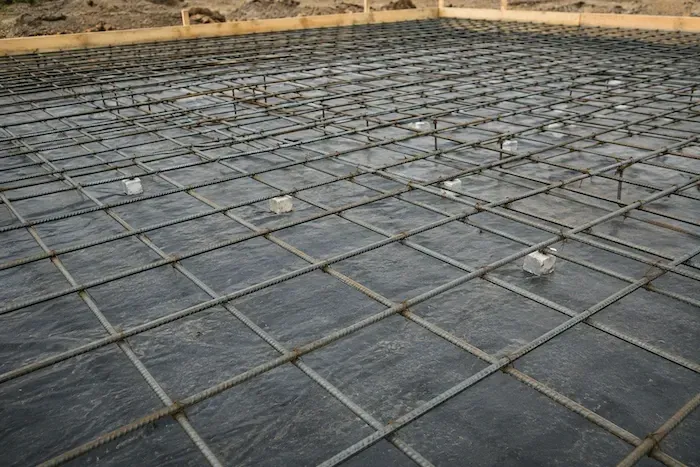
Rebar and wire reinforcement are often misunderstood. Some homeowners believe reinforcement only prevents surface cracks. In reality, reinforcement controls structural movement and load distribution.
Foundations without proper reinforcement crack unpredictably. Reinforcement does not stop cracks entirely, but it keeps them controlled and prevents separation. In expansive soils, reinforcement plays a critical role in maintaining slab integrity during soil movement cycles.
Drainage Is a Foundation’s First Defense
Water is the biggest enemy of foundations in Lafayette. Poor drainage allows water to collect around the structure, increasing soil expansion and hydrostatic pressure.
Gutters, downspouts, grading, and surface drainage must direct water away from the foundation. Concrete alone cannot compensate for standing water. Even the strongest foundation will suffer if water is allowed to pool at its base.
Drainage planning should happen before concrete is poured, not after problems appear.
Expansion Joints
Concrete expands and contracts with temperature changes. Without expansion joints, stress builds until the concrete cracks.
Properly placed joints allow controlled movement and reduce random cracking. Many foundation failures begin as ignored stress fractures that grow over time. Expansion joints are a proactive solution, not an optional upgrade.
Thickness and Footing Design Are Often Undervalued
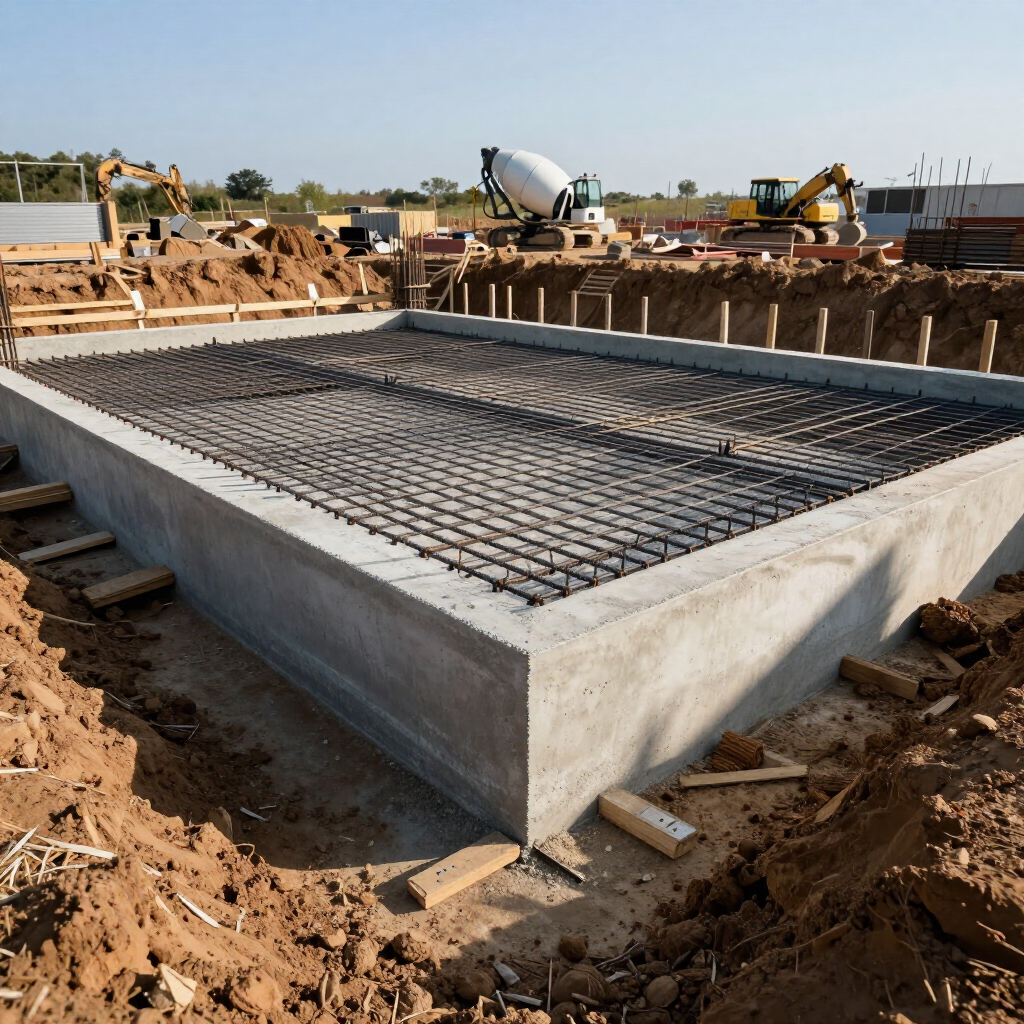
Thin slabs and shallow footings are common shortcuts that lead to long-term issues. In areas with shifting soils, thickness provides resistance to bending and differential movement.
Footings must be wide and deep enough to distribute load evenly. Undersized footings concentrate pressure and accelerate settlement. Correct dimensions depend on soil conditions, structure weight, and intended use.
Footings are the foundation of every strong structure, and understanding design requirements is essential for safety and longevity. Review these
footing design requirements to build foundations that last.
Timing and Sequencing
Foundation work is sensitive to timing. Pouring during heavy rain, extreme heat, or improper soil moisture conditions compromises results.
Proper sequencing ensures soil prep, form setting, reinforcement placement, and concrete pouring happen under optimal conditions. Rushing any stage increases the likelihood of future repairs.
Durable concrete comes from combining smart planning with proven project insights. Review this guide on maximizing concrete durability to improve long-term performance.
Warning Signs Homeowners Should Never Ignore
Early signs of foundation problems include hairline cracks that widen, uneven floors, doors that stick, and visible slab separation. These symptoms rarely resolve on their own.
Addressing minor issues early prevents major structural repairs later. Waiting often turns manageable fixes into expensive reconstruction.
Long-Term Thinking Prevents Short-Term Failure
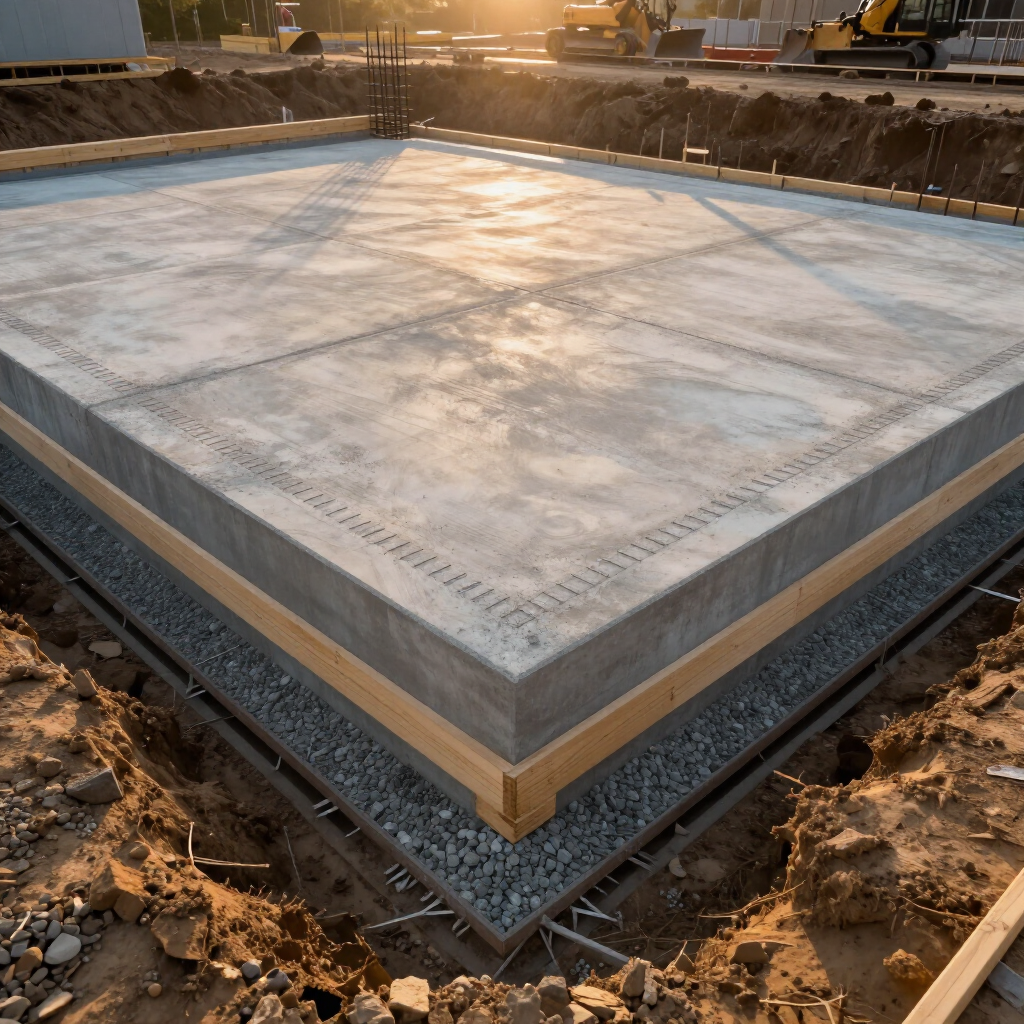
The biggest mistake homeowners make is focusing on immediate cost instead of long-term performance. Foundations are not cosmetic features. They determine the lifespan of the entire structure.
A well-built foundation should last decades with minimal movement. Achieving that requires proper soil prep, correct concrete strength, reinforcement, drainage, and execution. Cutting corners always costs more in the end.
Final Thoughts
Foundation problems in Lafayette are common, but they are not inevitable. Most failures stem from ignoring local soil behavior and underestimating the importance of proper concrete practices.

Written By:
Kurt Manalastas
Home & Property Research Journalist
Kurt is a Home & Property Research Journalist who researches and writes educational content on home services, property improvement, and residential decision-making. He focuses on translating real-world contractor experience, industry standards, and verified research into clear, practical guidance that helps homeowners understand their options and make informed decisions.