Preventing Hairline, Structural, and Settlement Foundation Cracks in Lafayette
What Most Buyers Miss: Foundation cracks in Lafayette are driven by predictable factors like clay soil movement, moisture imbalance, and poor construction practices, not just natural aging. Preventing hairline, structural, and settlement cracks requires proper soil preparation, reinforcement, moisture control, and ongoing maintenance tailored to local conditions.
People often assume cracks are simply part of aging concrete, but that assumption usually leads to expensive repairs later. The reality is that hairline, structural, and settlement cracks usually follow predictable patterns based on soil movement, moisture imbalance, and improper construction practices. In a region like Lafayette, where clay soils expand and shrink aggressively, understanding how to prevent these cracks is critical.
Why Foundations Crack in Lafayette
According to
foundation services in Lafayette, the soils in Lafayette are reactive. They swell when saturated, then shrink during heat and drought cycles. This repeated movement places pressure on slabs, piers, and footings. Combined with improper compaction or poor drainage, the foundation has no chance to stay stable without the right preparation.

There are three common types of foundation cracks in the area:
1. Hairline Cracks
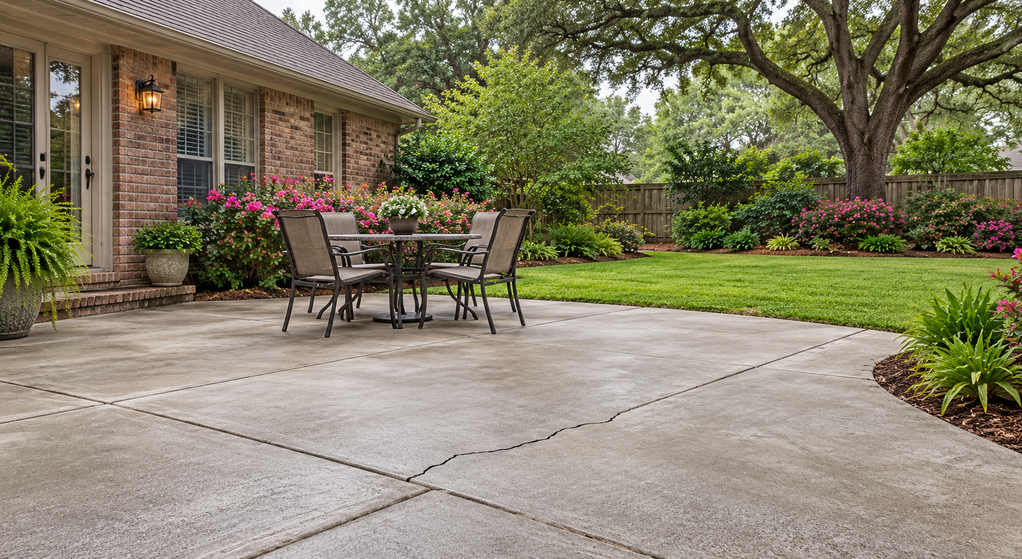
These thin cracks appear on the surface of a slab or stem wall. They are often caused by plastic shrinkage or early curing issues. Many people brush them off because they seem harmless. In Lafayette’s climate, small issues have a habit of becoming larger once moisture and soil movement begin influencing the concrete.
2. Structural Cracks
These cracks run deeper, widen over time, or travel vertically and diagonally. They typically form when the load on the foundation is not distributed evenly. Structural cracks are often linked to errors in reinforcement, weak concrete mixes, or poor soil preparation.
3. Settlement Cracks
These appear when the soil beneath the foundation sinks or compresses. Poor compaction, moisture imbalance, and erosion contribute to uneven settling. Lafayette’s mixture of clay and soft organic soils makes settlement one of the most common causes of foundation cracking.
Why Prevention Matters More Than Repair
Our concrete foundation specialists note that preventing foundation cracks is far easier and cheaper than repairing them. Good soil preparation during installation, stable moisture levels, and strong reinforcement techniques can preserve a foundation for decades. Once cracks begin widening, repairing them becomes a complicated process involving leveling systems or structural interventions.
Ignoring prevention also creates long-term risks. Moisture intrusion, weakened load paths, and uneven floors are problems that never resolve themselves. A stable foundation rarely happens by accident. It is the result of planning, execution, and consistent outdoor maintenance.

Soil and Moisture Control: The Real Key to Prevention
If there is one factor that influences foundation cracking more than anything else in Lafayette, it is moisture management. The clay-heavy soil expands dramatically when wet, then contracts during dry spells. Homeowners who do not control this moisture fluctuation often end up with cracks sooner than expected.
Proper Drainage
Downspouts must move water well away from the foundation. Gutters should be unclogged and extended. Pooling water near the home is one of the fastest ways to create foundation issues.
Consistent Moisture Levels
A foundation should not sit in saturated soil, but it also should not be allowed to dry out completely. Maintaining a stable watering schedule in dry seasons helps keep soil expansion under control.
Grading Around the Home
The slope around the home must direct water away from the foundation. Flat or inward-sloping yards trap moisture at the perimeter, which creates uneven soil expansion.
Foundation Construction Practices That Prevent Cracks
Well-built foundations rarely crack prematurely. The difference comes from preparation, reinforcement, and the decisions made long before concrete is poured.
Proper Compaction
Loose or poorly compacted soil is one of the quickest paths to settlement cracks. Soil must be compacted evenly to create a stable base. This prevents one section of the foundation from sinking faster than others.
Reinforcement
Using rebar or wire mesh keeps the slab from separating or shifting. Reinforcement links the concrete together so movement does not create long, open cracks.
Concrete Strength
A foundation mix should be at least 3000 PSI in Louisiana weather. Lower strength mixes are more vulnerable to shrinkage, bending, and cracking.
Curing Control
Concrete that cures too fast can develop early shrinkage cracks. Moist curing methods help create a stronger and more crack-resistant slab.
Site Preparation
Removing organic soil, roots, loose debris, and weak materials prevents future settling. A strong foundation begins with stable ground.
Mistakes in concrete projects can be expensive and time-consuming. Learn how expert project management helps avoid costly concrete mistakes to keep your work on track and durable.
Signs Homeowners Should Never Ignore
Cracks do not appear overnight. They start small. Lafayette homeowners should pay close attention to early warning signs so problems can be addressed before they expand.
- Cracks wider than the thickness of a credit card
- Cracks that grow longer or wider over time

- Diagonal cracks near windows or doors
- Doors that begin sticking or dragging
- Floors that slope or feel uneven
- Moisture or water pooling near the slab
These are not cosmetic issues. They signal movement beneath the home. Concrete is often misunderstood, which can lead to mistakes in projects. Discover the most common myths about concrete and the truths behind them to make smarter decisions.
Outdoor Maintenance That Helps Prevent Foundation Cracks
Even the best foundation will crack if outdoor conditions are neglected. Simple maintenance habits significantly reduce the risk.
Manage Trees and Landscaping
Tree roots search for moisture and can disturb soil. Trees should be placed at a distance from the home that matches their expected mature height.
Control Erosion
Bare soil near the home should be filled with ground cover, mulch, or plants. Erosion exposes the slab and causes uneven support.
Prevent Plumbing Leaks
Underground leaks wash out soil. A sudden crack often appears when water has been escaping for months unnoticed.
Keep Heavy Equipment Away
Parking heavy trucks near the foundation or repeatedly placing weight on the same area compresses the soil and leads to settlement.
Why Lafayette Homes Require Extra Attention
Lafayette’s foundation challenges are different from those in states with stable soil. The unique combination of humidity, heavy rains, clay-rich soil, and heat places constant stress on concrete. Foundation cracking here is not random. It follows a pattern based on environmental pressures and construction decisions.
The good news is that cracks are not inevitable. Homes that are built with correct reinforcement, properly prepared soil, and a balanced moisture environment remain stable for decades. Preventing cracks is a smart and realistic goal, especially when homeowners understand how much the soil beneath their home influences everything above it.

Written By:
Kurt Manalastas
Home & Property Research Journalist
Kurt is a Home & Property Research Journalist who researches and writes educational content on home services, property improvement, and residential decision-making. He focuses on translating real-world contractor experience, industry standards, and verified research into clear, practical guidance that helps homeowners understand their options and make informed decisions.