Common Myths about Concrete Busted
Concrete is a staple material in the construction industry, known for its strength, durability, and versatility. However, despite its ubiquity, there are still numerous myths and misconceptions about concrete that can lead to misunderstandings and misuses. In this blog post, we'll bust some of the most common myths about concrete to set the record straight.
Most Popular Concrete Myths
Myth 1: Concrete and Cement Are the Same
One of the most common misconceptions is that the terms 'concrete' and 'cement' are interchangeable. The truth is, cement is just one component of concrete. Concrete is made by combining cement (which acts as a binder), with aggregates (like sand and gravel), and water. The resulting mixture, when hardened, is what we know as concrete.
Myth 2: The Harder the Concrete, the Stronger It Is
It's easy to assume that the hardness of concrete equates to its strength, but this isn't always true. The strength of concrete is actually determined by its mix ratio – the proportion of cement, aggregates, and water used. Too much water can weaken the concrete, while the right amount can make it stronger, even if it doesn't appear as hard.
Myth 3: Concrete Is Only Gray and Dull
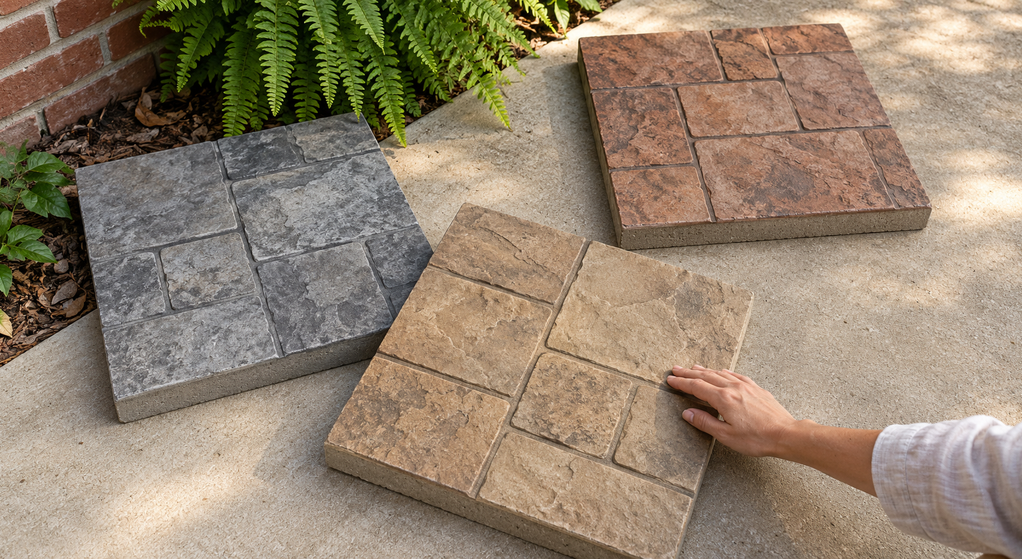
While the most common image of concrete might be a gray, dull slab, modern concrete can actually be quite aesthetically pleasing. Nowadays, there are various ways to enhance the look of concrete, such as by adding pigments for color, using stamps for texture, or polishing for a smooth, glossy finish.
Myth 4: Concrete Does Not Require Maintenance
Although concrete is highly durable, it isn't maintenance-free. Regular sealing can help protect concrete from moisture absorption, chemical exposure, and wear and tear. Cleaning stains promptly and fixing cracks as they appear can also prolong the life of a concrete surface.
Myth 5: Concrete Is Bad for the Environment
While it's true that cement production can generate carbon dioxide emissions, concrete as a building material has many environmentally-friendly attributes. It is energy-efficient, reducing heating and cooling costs in buildings, and it's highly durable, meaning it doesn't need to be replaced as often as other materials. Additionally, research is ongoing into the development of greener cement production methods.
Myth 6: Concrete Will Crack No Matter What
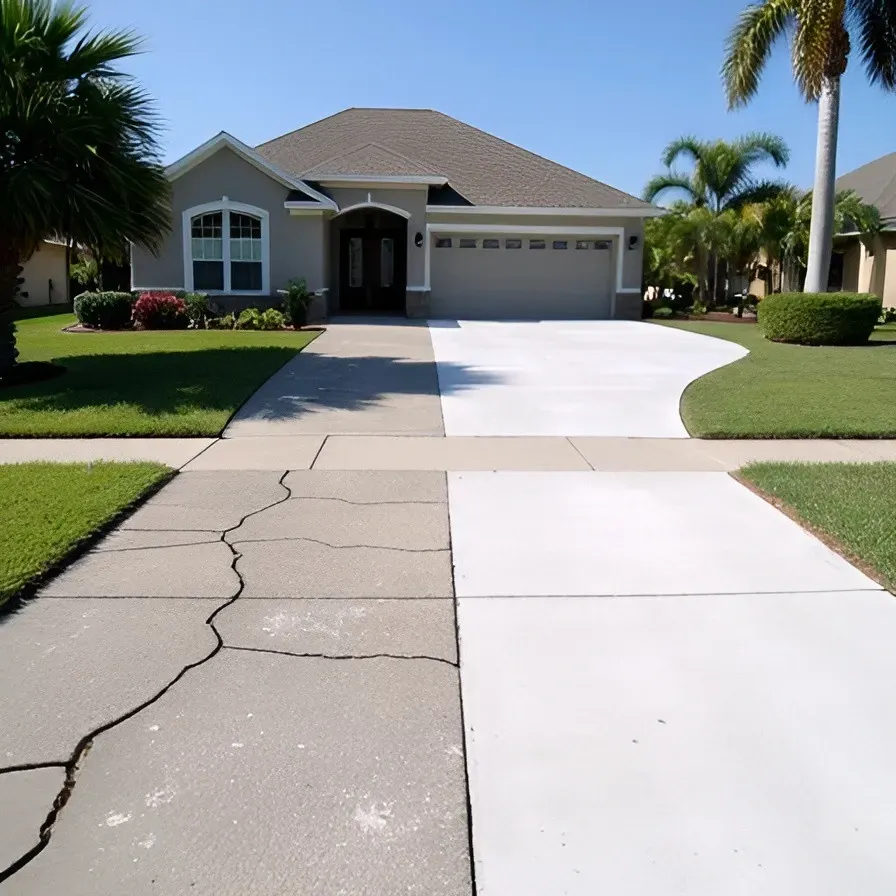
While it's true that concrete can crack, appropriate measures can significantly reduce the likelihood. This includes proper design, correct mix proportions, careful placement, and adequate curing. If cracks do appear, they can often be repaired to maintain the integrity and appearance of the concrete.
Conclusion
Concrete is a fascinating and versatile material that is a mainstay in the construction industry. By understanding what it truly is and how it works, we can utilize it more effectively and appreciate its numerous benefits. So, the next time you come across a concrete myth, you'll know the facts.