Driveway Replacement vs. Repair: What Lafayette Homeowners Should Consider
Decision Guide:
Repair is usually cheaper upfront. Replacement often makes more sense long-term, but only when the driveway has truly reached that point. The decision depends on the damage, the age of the slab, and how the soil underneath has behaved over time. In Lafayette’s climate, that last factor matters most.
If you have cracks in your driveway, you have probably already Googled whether you should repair or replace it. You have probably also found a lot of vague answers. The truth is, this is not a one-size-fits-all decision — and in Lafayette specifically, there are local factors that make it more nuanced than the general advice you will find online.
Louisiana’s combination of heat, humidity, heavy rainfall, and expansive clay soil creates conditions that are genuinely harder on concrete driveways than most other parts of the country. A driveway that looks like it just needs a patch might actually be showing you the early signs of a bigger problem underneath. A driveway that looks rough on the surface may still be structurally sound and worth patching instead of tearing out. Here is how to think through it.
Start With an Honest Look at the Damage
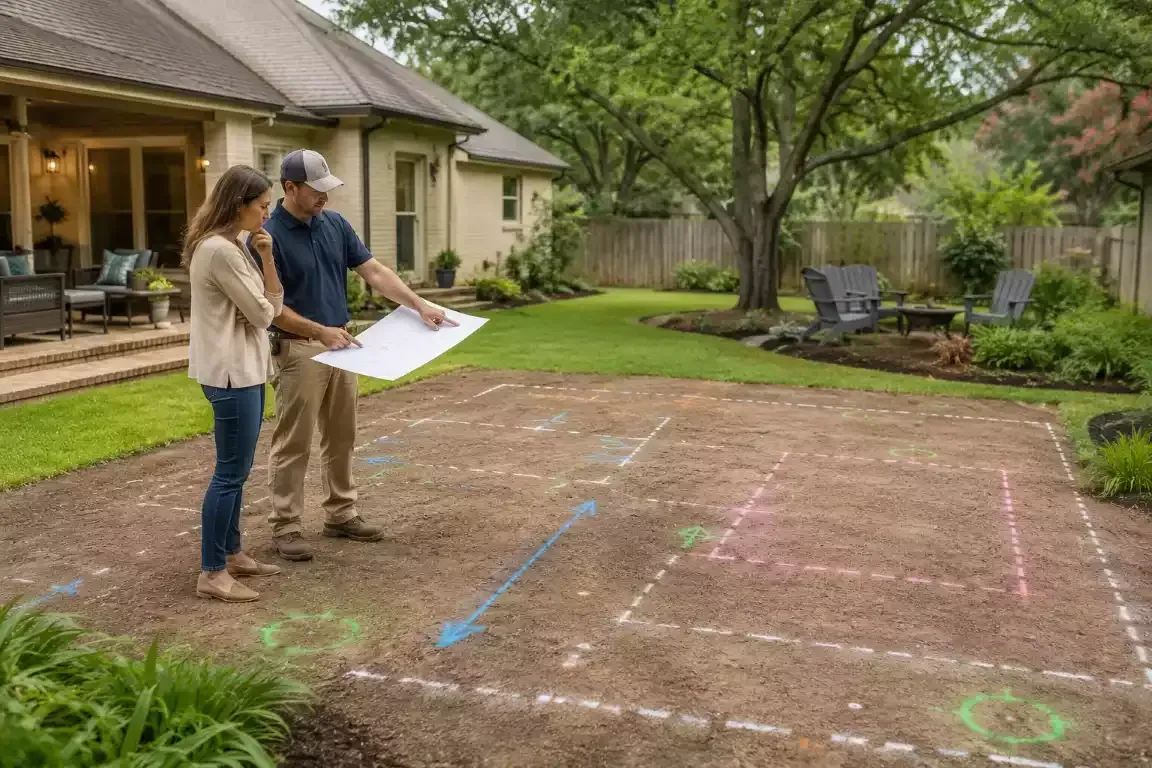
The first thing to do is categorize what you are actually dealing with. Not all driveway damage is the same, and the type of damage tells you a lot about what caused it and what fix will actually hold. When homeowners in Lafayette contact us about a concrete driveway in Lafayette, LA, the first thing we do is get eyes on it — because the surface appearance and the underlying cause are often two different things.
Hairline cracks that run in relatively straight lines and haven’t shifted are usually shrinkage cracks from the original curing process. They are cosmetic more than structural, and a quality concrete sealant or crack filler can address them without any major work. These are the easiest cases.

Settlement cracks — where one side of a crack is higher than the other — are a different story. They indicate that the soil beneath the slab has shifted unevenly, and patching the surface without addressing what caused the movement is a temporary fix at best. In Lafayette’s clay-heavy soil, which expands when wet and contracts when dry, this type of movement is common and worth taking seriously.
Spalling, which is when the surface layer of the concrete starts peeling or flaking away, can sometimes be resurfaced if the underlying slab is structurally sound. But spalling that has gone deep enough to expose aggregate, or that is widespread across the entire surface, usually means the slab itself has deteriorated past the point where resurfacing makes economic sense.
When Repair Makes Sense
Repair is the right call when the damage is isolated, the slab is relatively young, and the underlying soil has stayed stable. As a general guideline, if your driveway is under 15 years old, is cracked in just a few spots without significant displacement, and has not been through repeated flooding or erosion underneath, repair is usually worth trying first.
Concrete patching and resurfacing products have gotten significantly better over the past decade, and a professional repair done with quality materials — not a DIY tube of crack filler from a hardware store — can add meaningful life to a slab that still has some good years left. The key is that the repair actually addresses the cause, not just the appearance. Filling a crack without sealing the surrounding area, or resurfacing without correcting drainage issues that led to the damage, just means you are having the same conversation again in two or three years.
In Lafayette, proper drainage is often the hidden factor behind driveway damage that homeowners do not initially connect. If water consistently pools near the driveway edge, runs under the slab during heavy rain, or has no clear path away from the surface, the best repair job in the world will face uphill odds.
When Replacement Is the Smarter Move
Replacement makes sense when the damage is widespread, the slab is significantly displaced or heaving, or the driveway is old enough that repair costs would approach or exceed the cost of starting fresh. In Lafayette’s climate, where soil movement and moisture are persistent factors, a driveway that has been patched multiple times and keeps developing new problems is usually telling you something about the subbase condition that repair alone cannot fix.
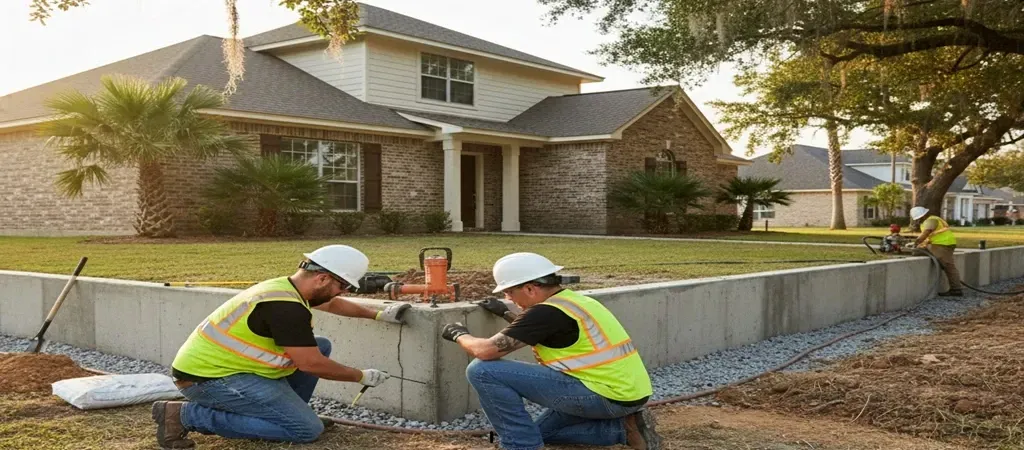
At Lafayette Concrete Services, we have seen driveways that looked repairable until a closer inspection revealed washed-out subbase, tree root intrusion, or uneven soil settlement that no surface patch would hold over the long term. In those cases, we tell homeowners the honest truth: replacement is going to cost more now, but it is the last time you will have to make this decision for 30 to 40 years if it is done right.
A full replacement also gives you the opportunity to correct drainage, improve the subbase, and potentially upgrade the design — add a different finish, widen the driveway, or address a layout that has never quite worked the way you wanted. When the old slab is already coming out, those improvements cost significantly less than they would as standalone projects.

The Louisiana Soil Factor
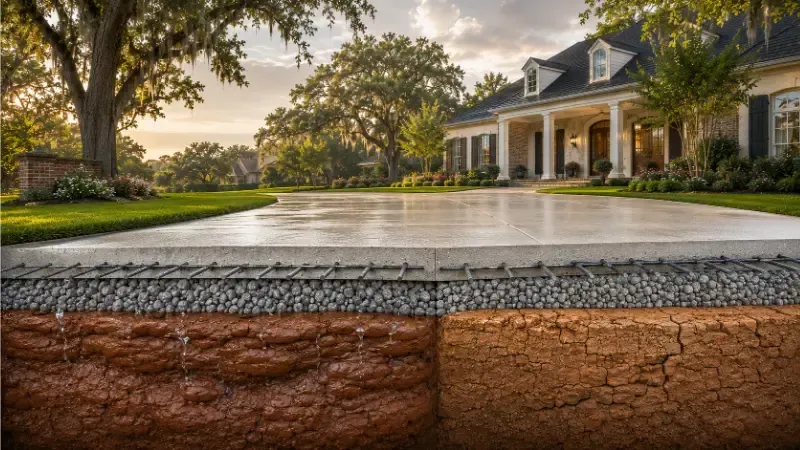
This is the part that sets Lafayette apart from most of the driveway repair guides you will find online. The expansive clay soils throughout much of Louisiana are genuinely different from the sandy or loamy soils common in other parts of the country. Clay soil absorbs moisture and swells, then dries out and contracts — and it does this repeatedly across every wet season and dry spell. That constant movement is hard on any concrete slab that is not properly isolated from it.
A driveway poured over clay-heavy soil without adequate base preparation — the right thickness of crushed stone compacted properly before the pour — is going to move. It is not a question of if, it is a question of when and how much. If your driveway was installed without adequate site preparation, repair may slow the problem but is unlikely to stop it. And if a replacement is in your future, proper subbase preparation is not optional — it is the difference between a driveway that holds up and one that starts showing the same problems again within a few years.
What to Ask Before You Decide
Before committing to either path, there are a few questions worth getting clear answers on. How old is the driveway, and has it been repaired before? What does the damage pattern look like, and has it changed over time? Is there evidence of drainage issues — pooling water, erosion at the edges, or soft spots after rain? And what is the condition of the subbase — has anything been done to assess what is happening underneath the surface?
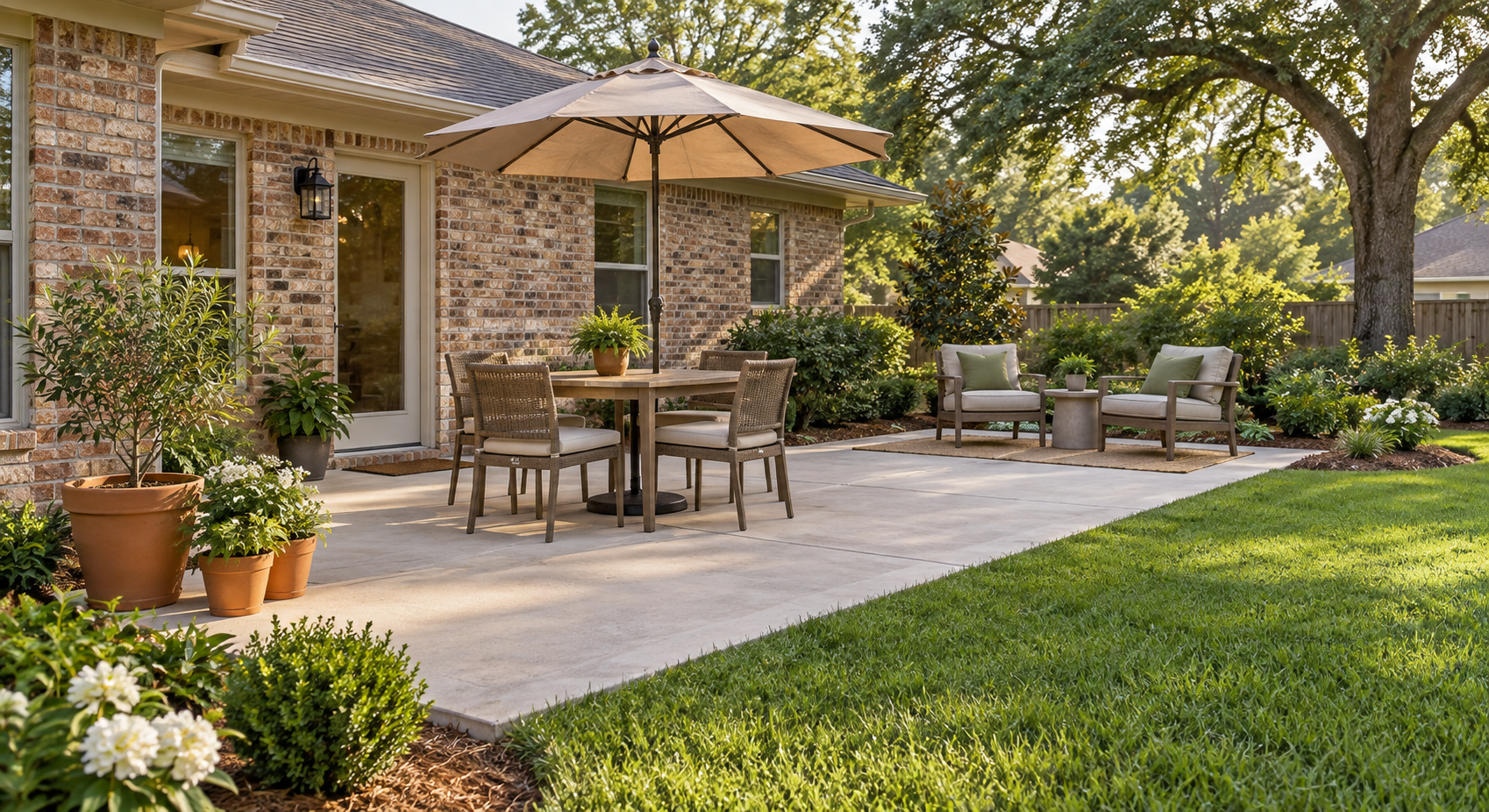
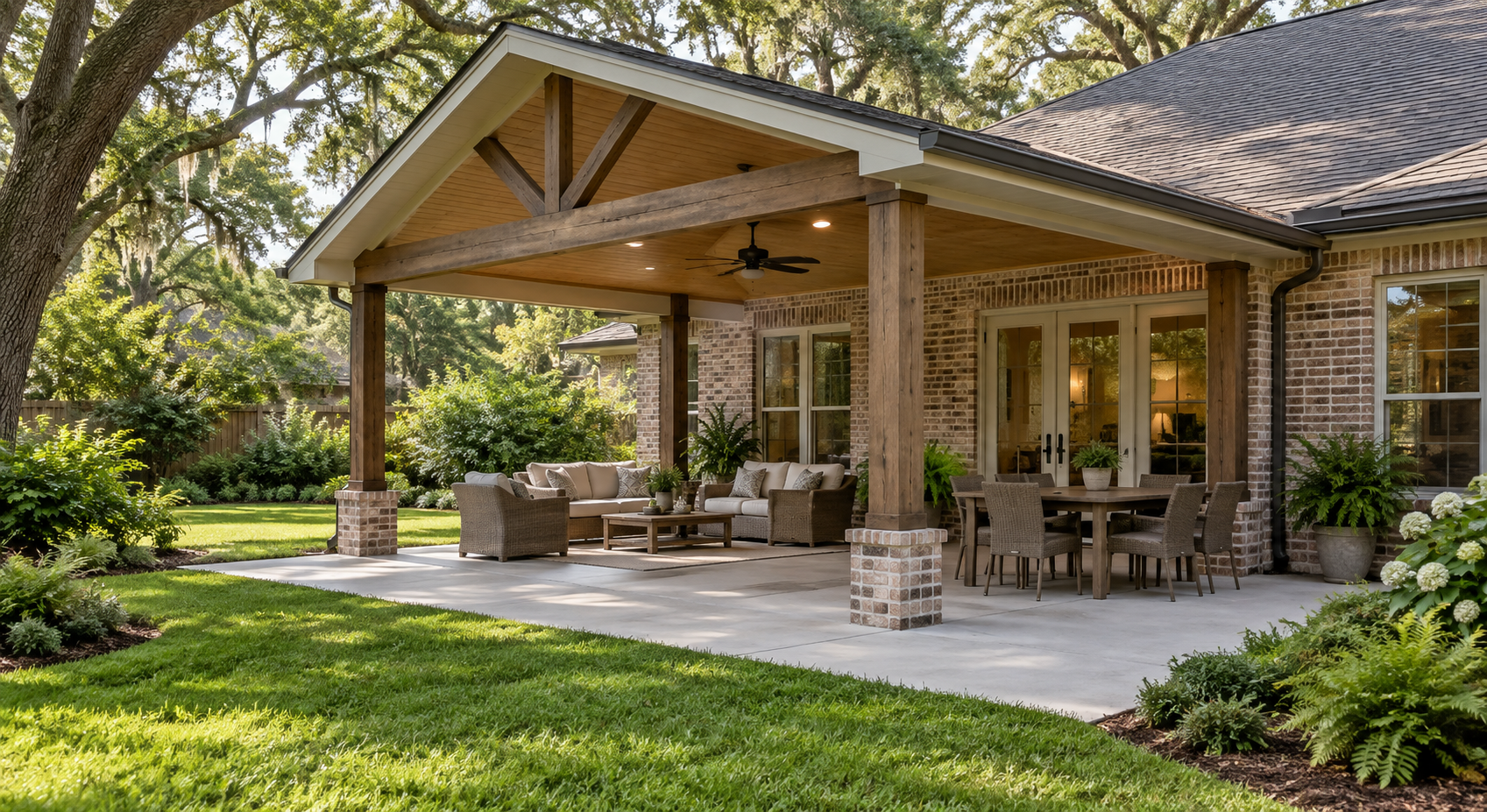
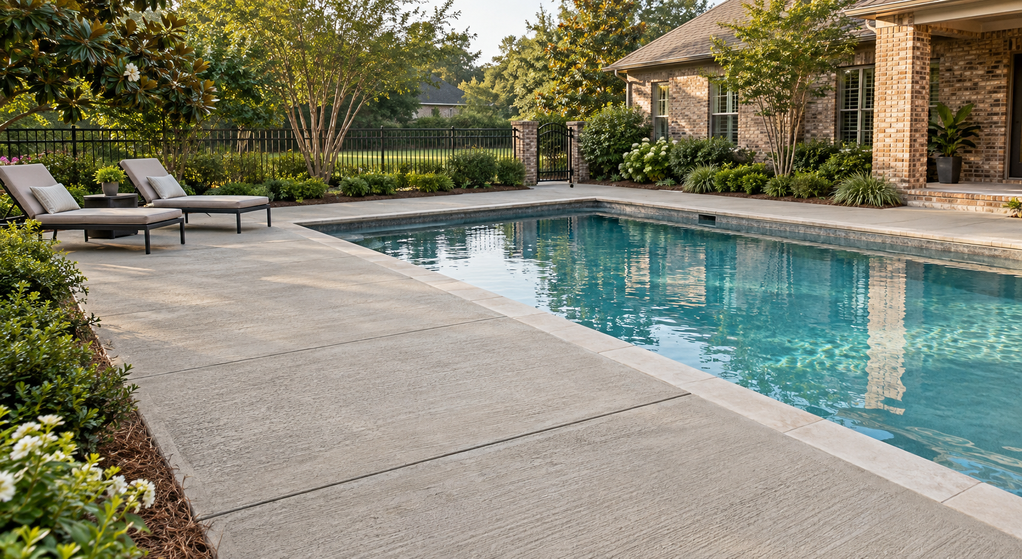
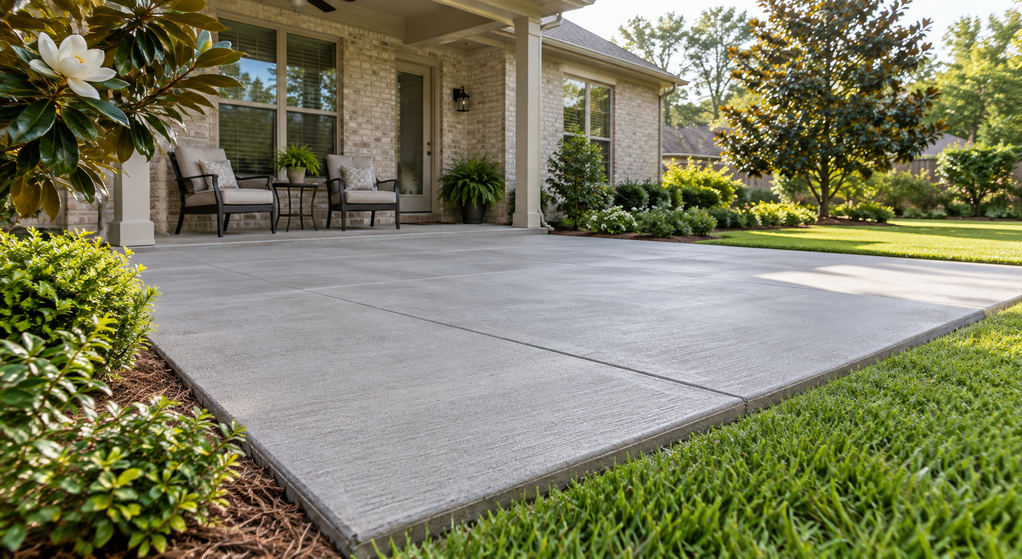
A concrete contractor who has worked in this area knows what Lafayette soil tends to do and can read a driveway’s damage pattern with that context in mind. If you are also considering other concrete improvements to your property, such as a patio, walkway, or outdoor space, combining projects can reduce overall cost and disruption. Reviewing concrete patio services in Lafayette can help if you plan to coordinate related work at the same time.
The Bottom Line
Repair makes sense when the damage is isolated, the slab is still relatively young, and the underlying conditions appear stable. Replacement becomes the better option when the damage is widespread, the slab has shifted significantly, or previous repairs have failed to hold. In either case, it helps to work with a contractor who understands how Louisiana soil, heavy rainfall, heat, and humidity affect concrete over time because generic advice does not always apply here.
If you are not sure which direction makes sense for your driveway, an on-site assessment from an experienced local contractor can give you a clearer answer than any checklist. Our team serves homeowners throughout Lafayette Parish, and we are straightforward about what we see. Whether the answer is repair, replacement, or a combination of both, the priority is making the right call rather than the expensive one.
For homeowner-focused concrete work, learn more about our residential concrete services in Lafayette and how we help local property owners plan durable repairs, replacements, and related concrete improvements.

Written By:
Domenique Bomediano
Home Improvement Research Specialist
Domenique Jose Bomediano specializes in researching and creating educational content on home renovation, construction, concrete work, and property improvement. His work focuses on simplifying technical topics, contractor insights, and industry standards into practical information that helps homeowners better understand projects, costs, and long-term property decisions.