White Haze on Sealed Stamped Concrete in Lafayette: Causes and Next Steps
Summary
White haze on sealed stamped concrete can come from moisture in the coating, excessive sealer buildup, poor adhesion, or mineral deposits. Timing, location, and texture offer better clues than color alone. Identify the existing product and the condition beneath it before cleaning, stripping, or applying another coat.
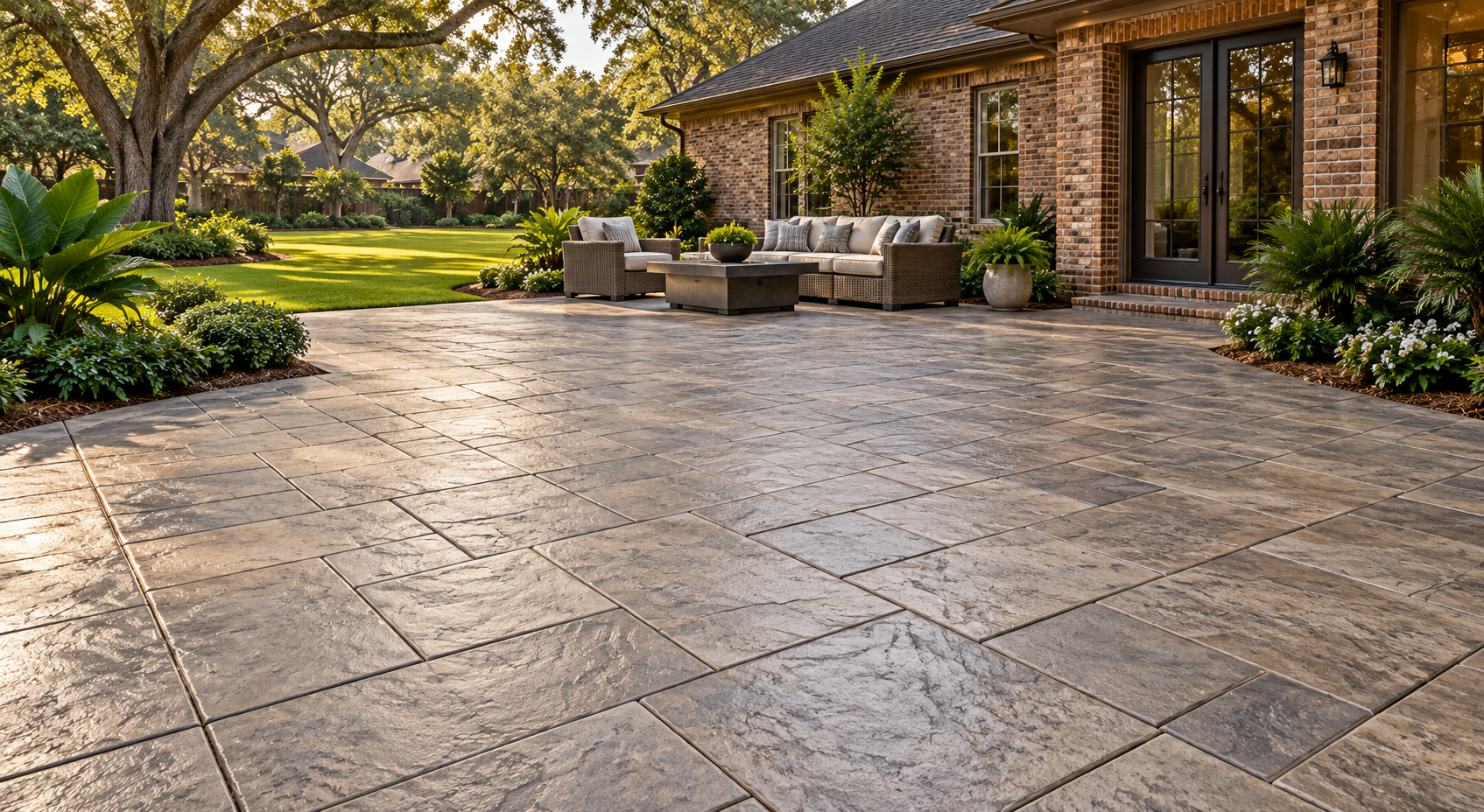
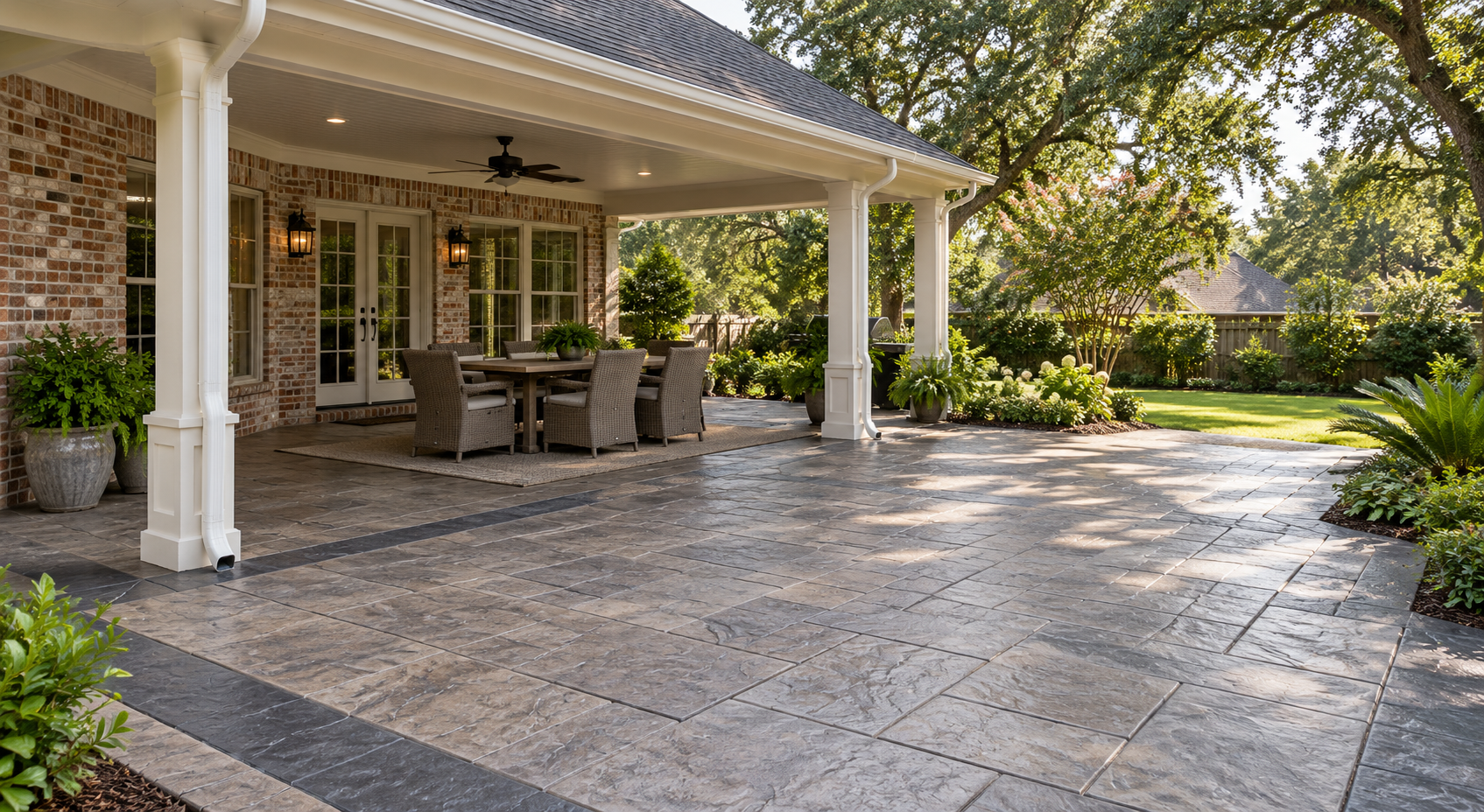
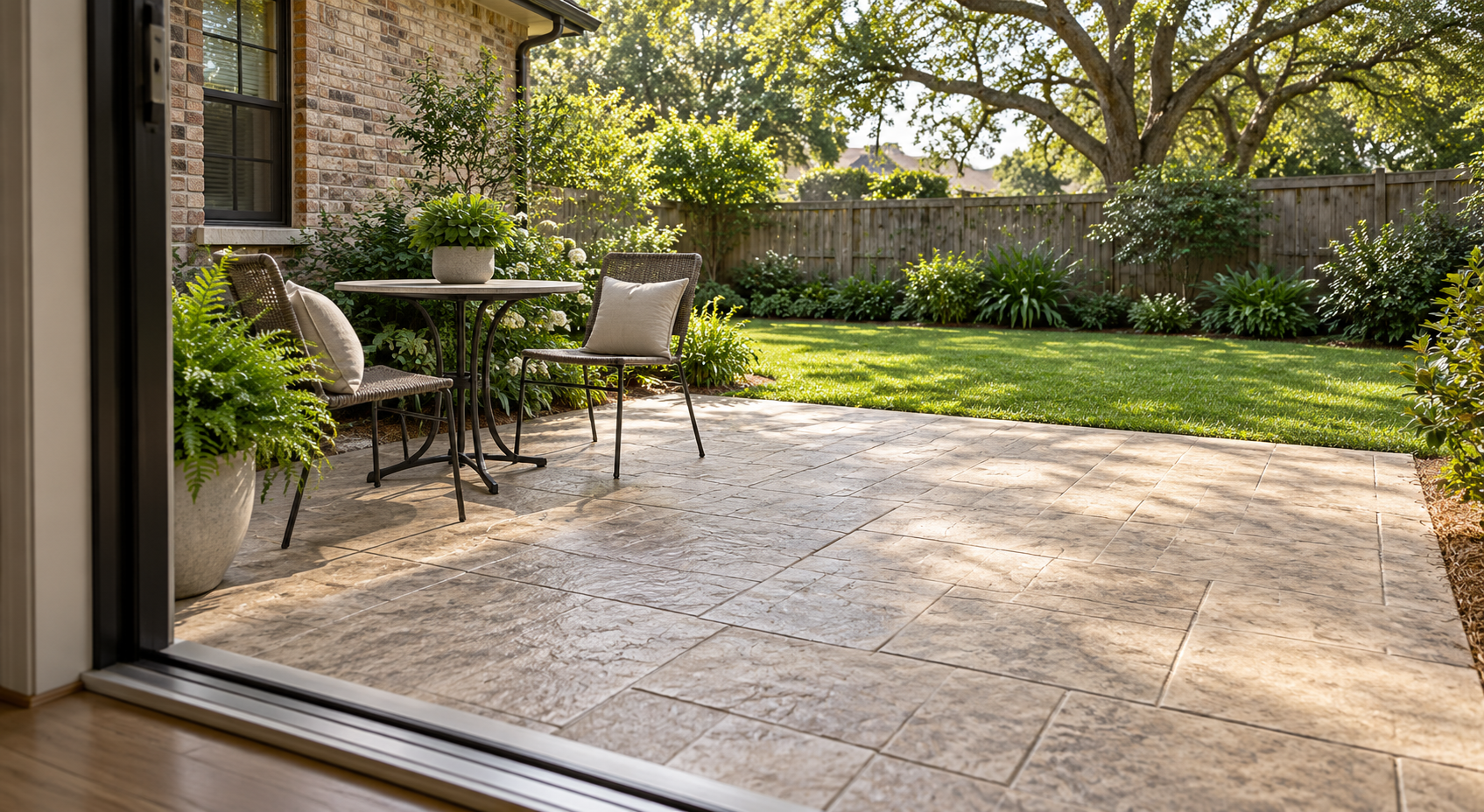
A patio that looked richly colored last week may look pale after one resealing or a wet stretch. That change does not automatically mean the concrete has lost its color or needs replacement. Sometimes the clear coating is obscuring the finish underneath.
When comparing stamped concrete installation and finishing in Lafayette, ask whether the proposed work addresses the white material itself, the sealer, or a recurring moisture source. Those are different problems with different scopes.
T&T Lafayette Concrete Contractors offers stamped concrete installation, repairs, and resealing. For an existing surface, identifying what was previously applied helps make a repair discussion more useful than simply choosing a new gloss level.

When the Clear Sealer Becomes the White Layer
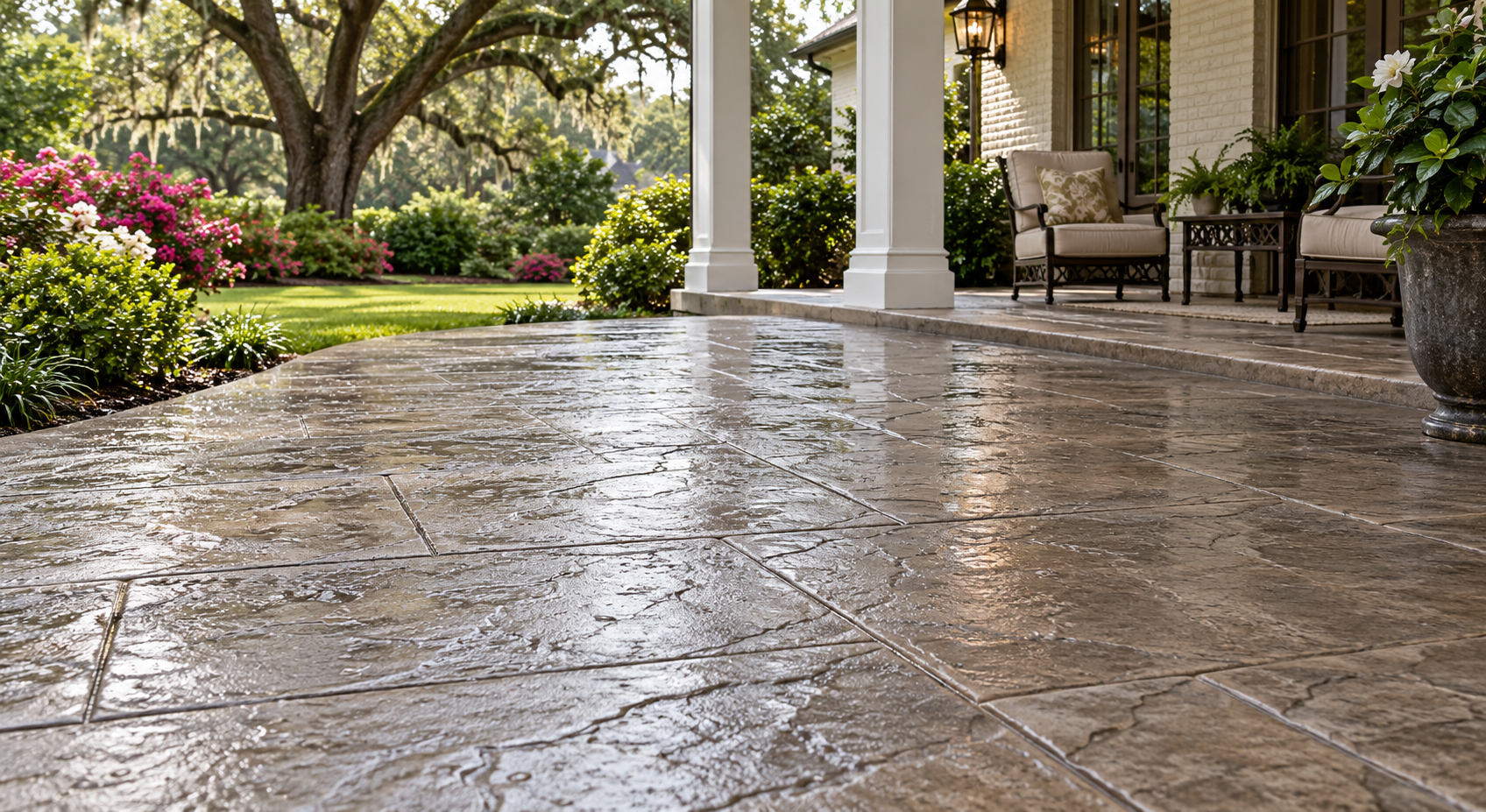
Film-forming sealers sit over the decorative surface. Moisture and application problems can interfere with their clarity or bond, creating a cloudy appearance that hides the underlying color.
Thick applications, accumulated coats, and moisture trapped beneath a film can contribute to whitening. Water-based acrylic sealers can also fail to form a clear film under unsuitable temperature, humidity, or airflow conditions. The original product determines which explanation deserves attention.
Three situations deserve separate attention:
- Moisture-related clouding: Whitening appears after sealing or wet weather. Record whether it changes as the surface dries.
- Excess coating thickness: Multiple maintenance coats or uneven application leave too much material. Another coat may compound the problem.
- Failed film formation or adhesion: A coating that remains powdery, peels, or flakes needs a different assessment from an intact but cloudy film.
On stamped concrete, compare raised areas with recessed joints and textured pockets. Note whether whiteness follows roller overlaps, collects in depressions, or covers the slab uniformly. These patterns are clues, not proof of a particular cause.
White Powder Does Not Automatically Mean Sealer Failure
Efflorescence is a mineral deposit left when water carries soluble salts through concrete and evaporates. It can resemble a pale dust or crust. A cloudy coating, by comparison, may look as though the whiteness is beneath a transparent skin.
The distinction is useful but imperfect. Failed water-based sealer can also become powdery, and deposits may occur beneath a coating. Rubbing off a little white material does not establish a diagnosis.
Before using a cleaner, check whether the area was recently washed, treated, or exposed to runoff. Cleaning residue and deposits from water introduce other possibilities. Photograph the dry surface before changing it, and save the names of any cleaning products used.
For Lafayette patios, record roof runoff, sprinkler exposure, and places where water remains after rain. If those conditions coincide with recurring discoloration, the discussion of How to Prevent Concrete Patio Problems on Lafayette Properties provides a broader next step for reviewing drainage and maintenance.
The Timing Often Reveals More Than the Color
Build a short timeline rather than describing the surface only as “white.” Include the last cleaning date, sealing date, first appearance of haze, and any rain or irrigation between them.
Whitening immediately after resealing puts application conditions, coating compatibility, and the previous finish high on the list of questions. Ask what product was used, how much area each container covered, and whether the old coating was removed.
Whitening after wet weather warrants comparing wet and fully dry conditions. Temporary clearing is useful information, but it does not establish that the coating is sound or that moisture has stopped entering.

Whitening concentrated in particular locations calls for a location-based review. Photograph shaded edges, low spots, planter areas, and exposed sections separately. A single close-up can hide the relationship between the haze and the surrounding patio.
For a Lafayette resealing project, plan around actual rain, humidity, and surface conditions. A warm afternoon alone does not establish a suitable application window. The specific product’s requirements should govern both application and the period afterward.

Match the Correction to the Existing Coating
Find the sealer container, invoice, or installer’s product record before approving treatment. “Clear concrete sealer” is not enough information: water-based acrylic, solvent-based acrylic, and other coatings can require different approaches.
A sound but cloudy coating may qualify for a manufacturer-approved corrective treatment. A poorly bonded or heavily accumulated coating may require removal. Confirmed surface deposits require a compatible cleaning approach and attention to the water carrying them.
Avoid experimenting across the whole patio with solvent, acid, or aggressive washing. Corrective work can affect the decorative finish,
particularly surface-applied antiquing color. Request a small trial area and inspect it after drying before extending treatment.
Discuss traction as part of the finished result. Restoring color and shine should also account for how the patio feels underfoot when wet. The guide to How to Prevent Slippery Stamped Concrete Around Lafayette Homes addresses that separate maintenance concern.
For the coating side of the differential, Euclid Chemical’s curing and sealing troubleshooting brochure sets out common whitening and application failures. Confirm the installed product and make a small test before choosing any treatment.
What a Useful Repair Proposal Should Explain
Ask for the suspected cause, supporting observations, exact products, preparation method, and expected appearance after the trial dries. The proposal should also explain whether localized treatment may leave visible differences and what would justify expanding the work.
White haze alone is insufficient reason to replace a slab. Establish which layer is affected, address recurring moisture where present, and choose a correction that preserves the stamped finish without adding unnecessary coating.

Written By:
Kurt Manalastas
Home & Property Research Journalist
Kurt is a Home & Property Research Journalist who researches and writes educational content on home services, property improvement, and residential decision-making. He focuses on translating real-world contractor experience, industry standards, and verified research into clear, practical guidance that helps homeowners understand their options and make informed decisions.