How to Make Your Lafayette Concrete Patio More Comfortable Year-Round
Summary
A comfortable Lafayette patio needs more than cushions and furniture. The best year-round results come from controlling afternoon sun, moving humid air, directing rainfall, choosing a practical surface, and creating flexible zones for warmer and cooler days. Start with the slab and exposure, then add features that solve the patio’s actual limitations.
A concrete patio may look inviting but still sit unused if it becomes excessively hot, holds water, feels stuffy under a cover, or lacks protection from changing weather. In Lafayette, comfort depends on planning for strong sun, humidity, frequent rain, and the occasional cool day.
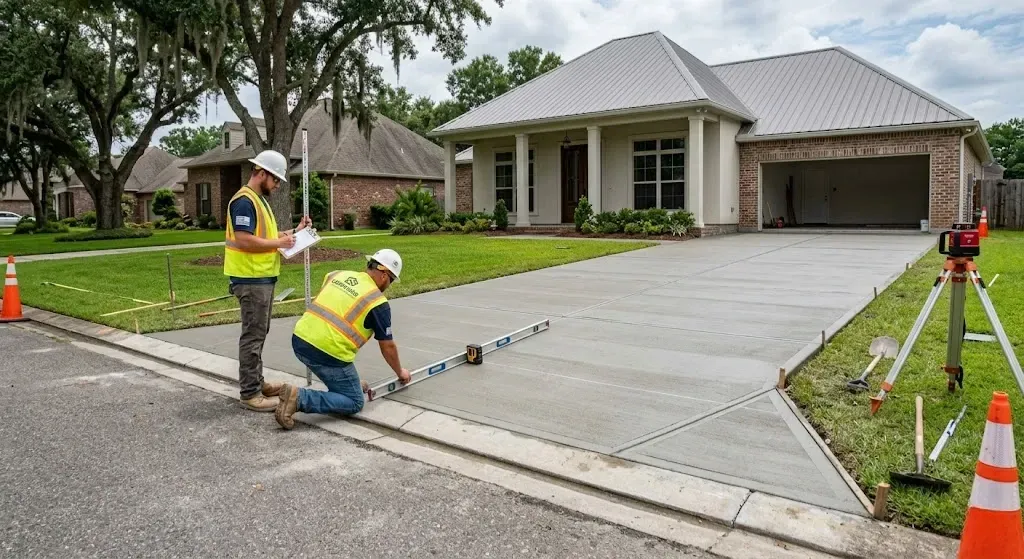
Before purchasing furniture or decorative accessories, determine whether the slab itself needs attention. Homeowners evaluating repair, expansion, resurfacing, or a new layout can review concrete patio design, installation, repair, and sealing services in Lafayette to understand which improvements involve the concrete rather than furnishings.
T&T Lafayette Concrete Contractors is a licensed and insured Louisiana company led by a third-generation concrete professional with more than 20 years of hands-on experience. This construction background becomes relevant when improving comfort requires changes to the patio’s drainage, surface, size, or connection to future features.
Evaluate the Patio at Different Times of Day
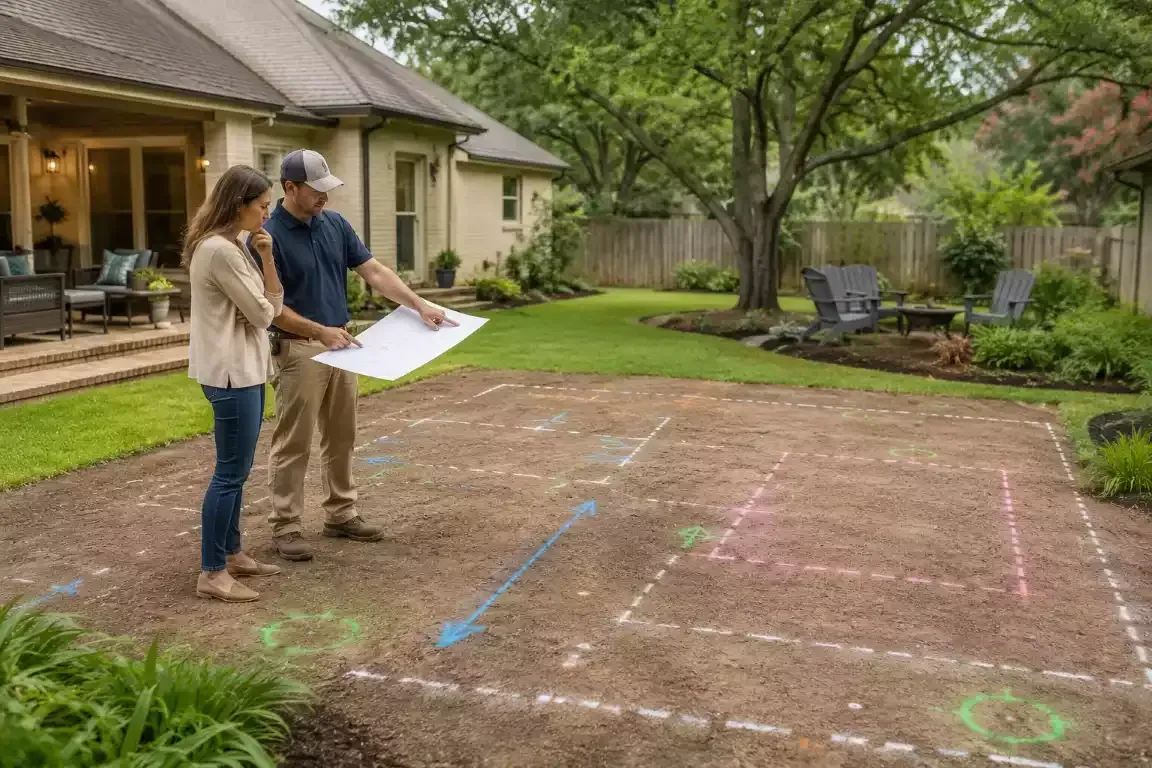
Start by observing the patio instead of immediately choosing upgrades. Check it in the morning, during the hottest part of the afternoon, after sunset, and following rainfall. Note where shade falls, which direction breezes enter, how water travels, and whether roof runoff lands on the slab.
Afternoon sun from the west can make one side much hotter than another. A roofline may provide morning shade but leave the seating area exposed when it is most likely to be used. Nearby fences, walls, and dense landscaping can also restrict air movement.
If the patio is being built or significantly altered, What Lafayette Homeowners Should Know Before Adding a Patio provides a broader planning guide covering placement, size, drainage, utilities, and future additions.
Evaluate the Patio at Different Times of Day
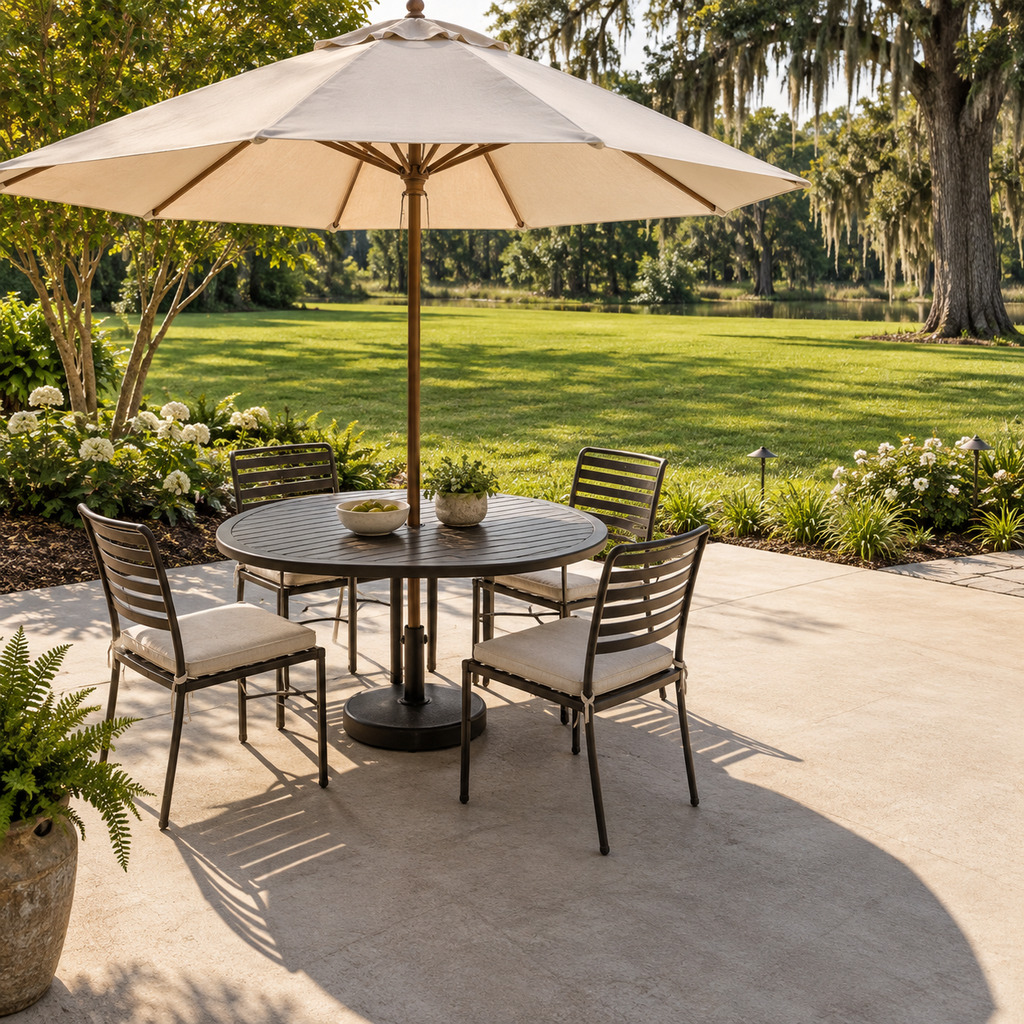
Shade is usually the most effective comfort improvement, but the structure needs to match the patio’s exposure and intended use.
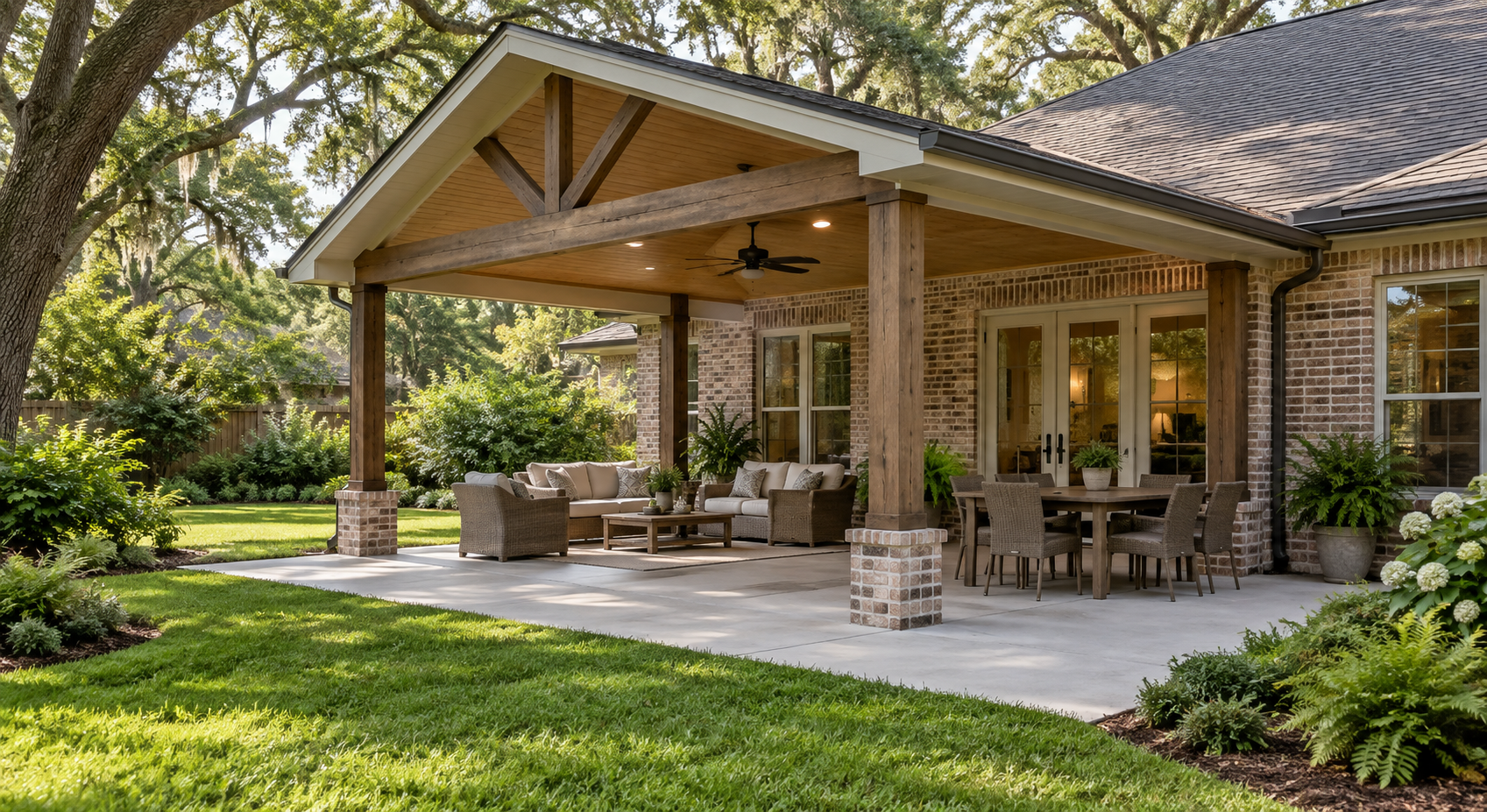
A solid roof provides dependable shade and rain protection. It can also support lighting and outdoor-rated ceiling fans, but it requires more planning than a freestanding umbrella. Roof drainage, support locations, headroom, and the effect on interior daylight all need consideration.
Pergolas provide partial shade while preserving an open feel. Their effectiveness depends on slat direction and sun angle, so a decorative pergola may offer less afternoon protection than
expected. Retractable awnings and large umbrellas provide more flexibility, although they require secure installation and appropriate storage or retraction during severe weather.
Prioritize the dining or primary seating area first. Shading an unused corner will not make the patio noticeably more comfortable.
Reduce Heat at the Concrete Surface
Concrete exposed to direct sunlight stores heat and continues releasing it after the air begins cooling. Surface color and treatment can affect how intense that heat feels.
The U.S. Environmental Protection Agency’s guidance on cool pavements explains that surfaces designed to reflect more solar energy can remain cooler than conventional pavement. For a residential patio, this supports considering lighter colors instead of very dark stains, especially in uncovered areas.
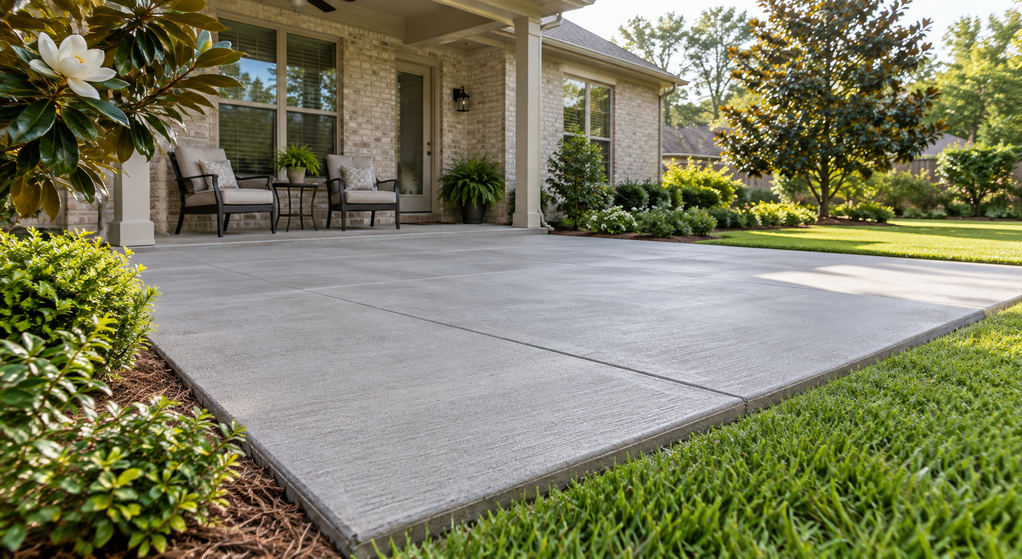
Color is only one factor. Gloss level, texture, sealer, surrounding shade, and sun exposure also affect performance. View finish samples outdoors before committing. A color that looks light in a showroom may appear darker once sealed.
Outdoor rugs can make walking and seating areas feel more comfortable, but choose products intended for exterior use. Lift them periodically so trapped leaves and moisture can dry instead of leaving persistent discoloration or organic buildup.
Improve Air Movement Without Blocking Breezes
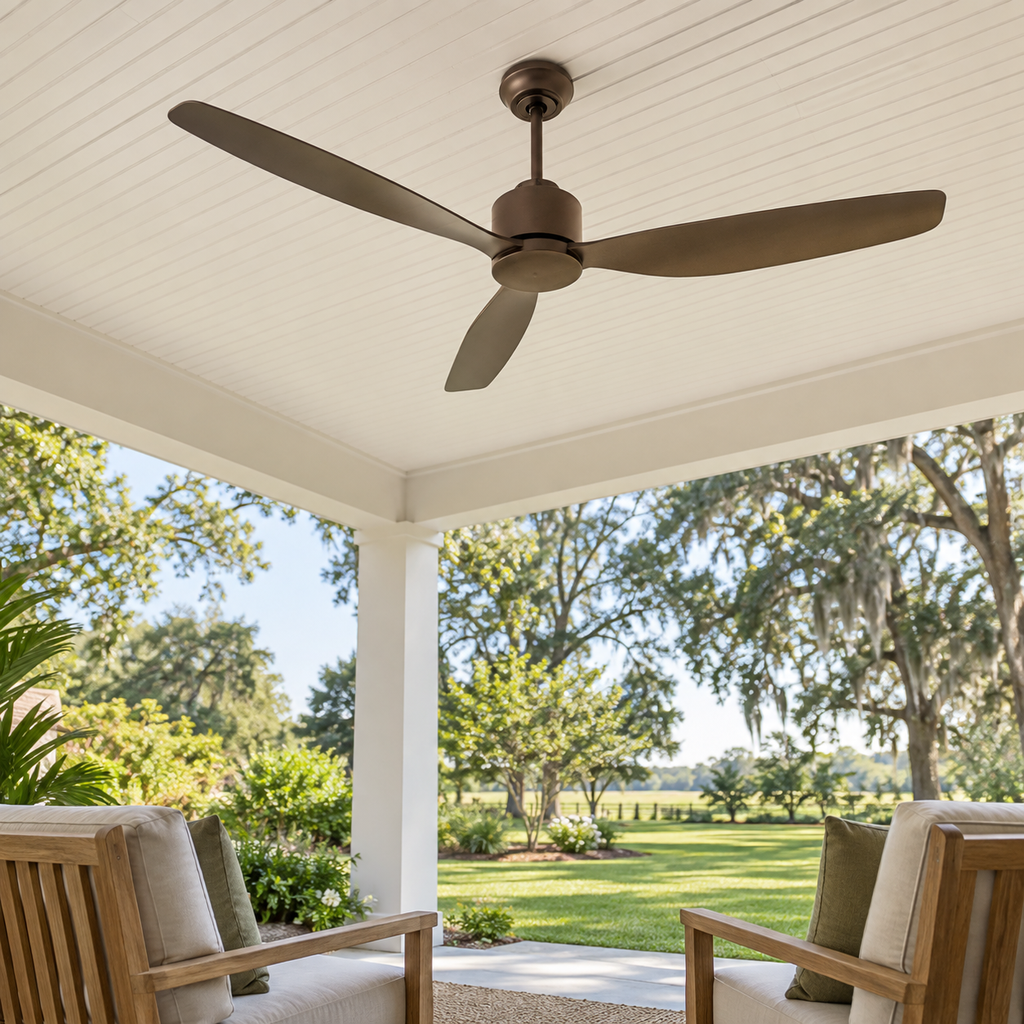
Shade alone may still leave a covered patio feeling humid and stagnant. Outdoor-rated ceiling or wall-mounted fans can improve air movement around dining and seating zones. Fan placement matters more than the number of fans. Position them where people gather rather than directing airflow toward an empty walkway.
Keep tall cabinets, privacy panels, and dense plants from completely enclosing the windward side of the patio. Privacy screens with openings can provide separation while allowing some airflow.
Any permanent fan, light, outlet, or outdoor-kitchen connection should use equipment rated for its exposure and be installed by a qualified professional. Plan electrical work before resurfacing or expanding the slab so finished concrete does not need to be cut unnecessarily.
Keep Rain From Becoming a Comfort Problem
Standing water limits patio use and can leave surfaces dirty or slippery. Furniture placement cannot correct a slab that drains toward the house or contains low areas.
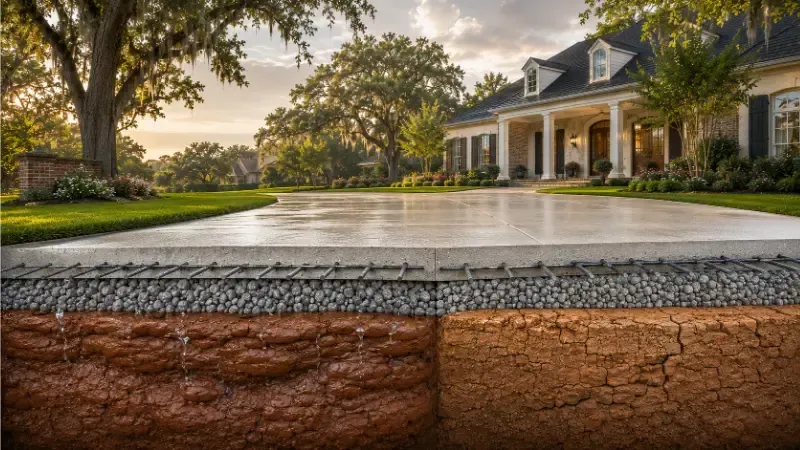
Watch the patio during rainfall. Water should move toward an appropriate drainage area without collecting at doors, steps, furniture legs, or the foundation. Depending on the cause, improvements may include gutter adjustments, downspout extensions, a channel drain, surrounding grading, or correction of a settled section.
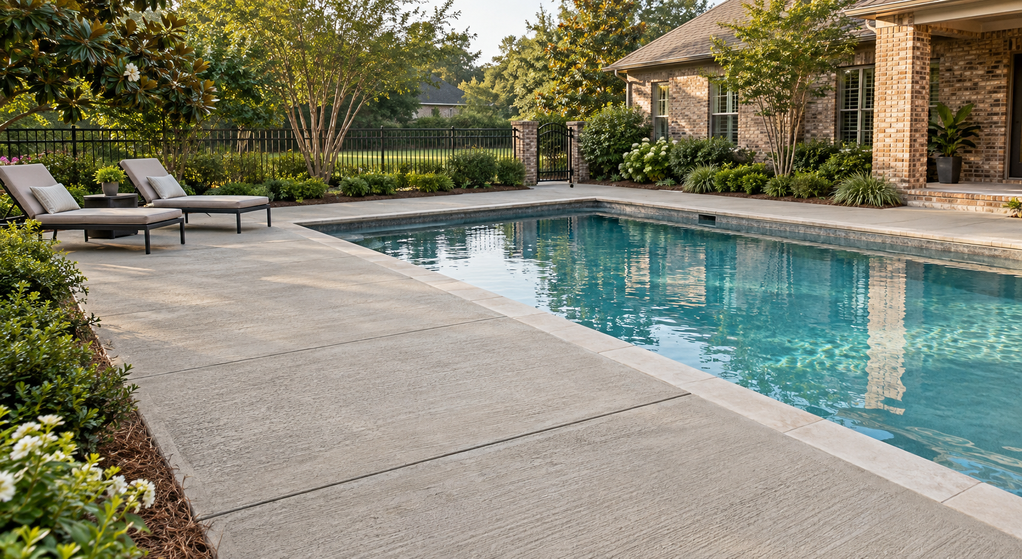
Surface traction also deserves attention. Highly polished or glossy finishes may require additional slip-resistance measures in exposed areas. Ask how a proposed sealer or coating performs when wet, not just how it looks when dry.
Create Separate Warm- and Cool-Weather Zones
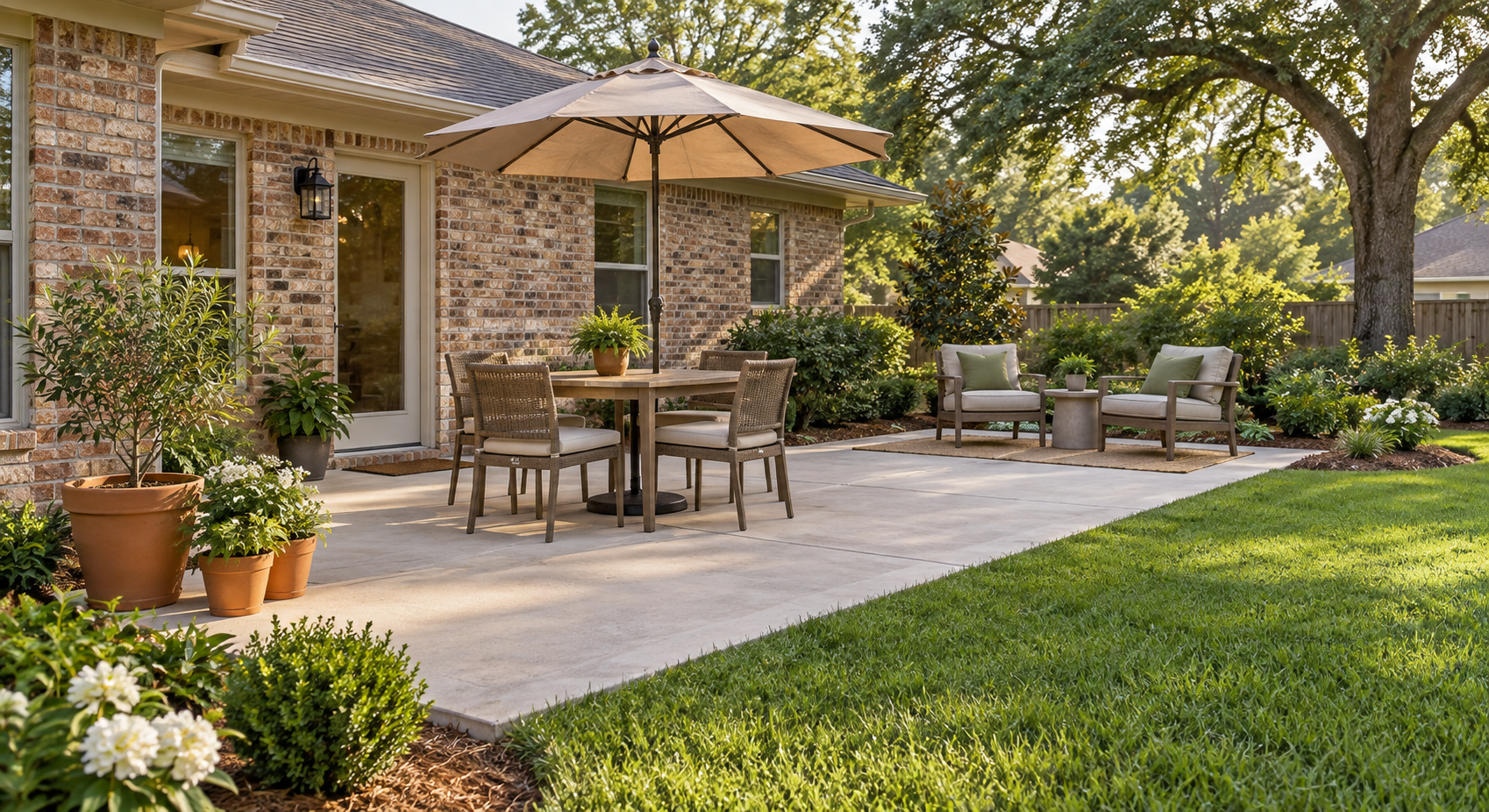
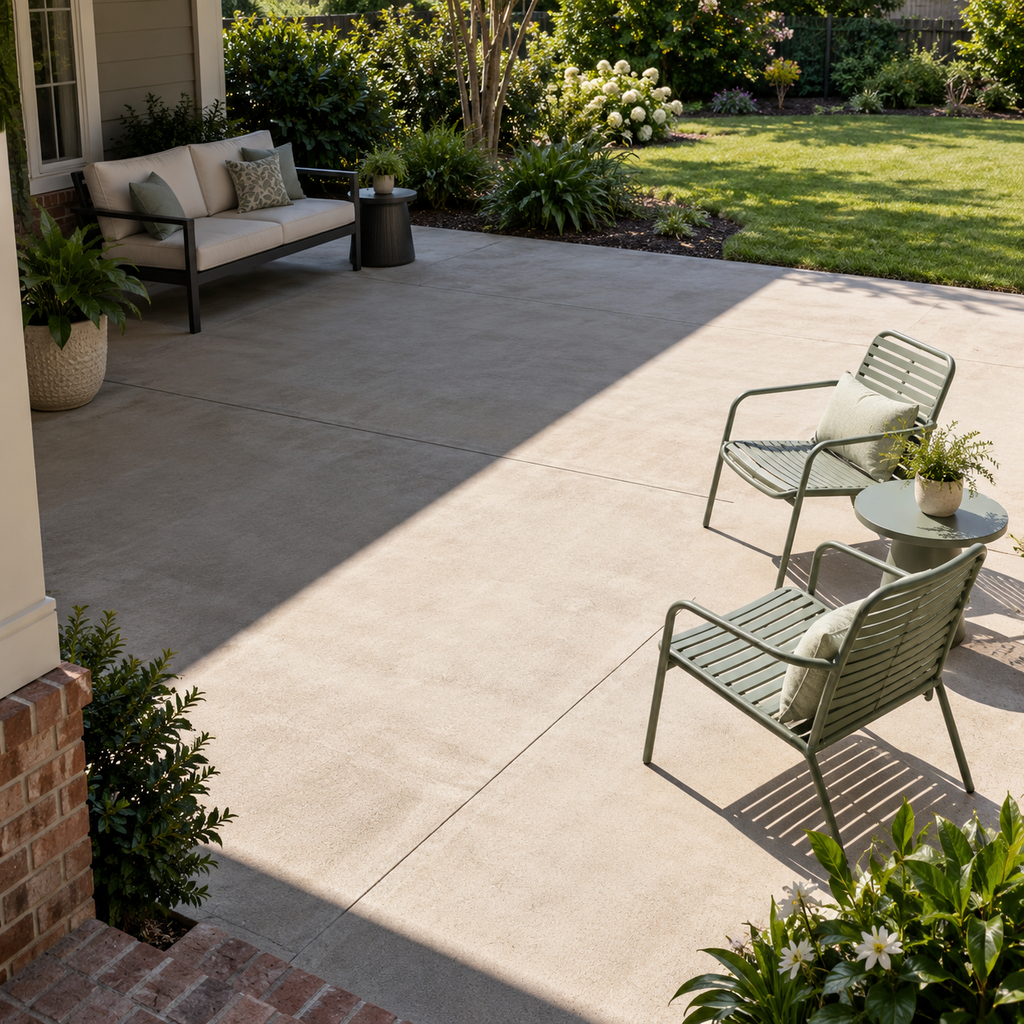
A patio does not need the same conditions across its entire surface. A shaded dining zone may work best during hot months, while a smaller open area can capture welcome sunlight on cooler days.
Movable chairs, sectional pieces, and umbrellas make seasonal adjustments easier than one fixed furniture arrangement. Leave clear walking space between the house, yard, grill, and seating. Crowding the slab with oversized furniture can restrict airflow and make even a large patio feel uncomfortable.
For homeowners comparing finishes and layouts, Concrete Patio Designs for Lafayette Homes explains the tradeoffs among broom-finished, stained, and stamped surfaces along with borders and integrated features.
Prioritize Improvements in the Right Order
Prioritize improvements in this sequence:
- Drainage, settlement, cracking, or unsafe transitions
- Shade and rain protection
- Air movement and electrical access
- Furniture layout and seasonal flexibility
- Decorative finishes, rugs, lighting, and accessories
This order keeps cosmetic purchases from hiding a larger performance problem. It also helps prevent finished work from being disturbed later to install drains, footings, conduit, or utilities.
A year-round Lafayette patio should remain usable through changing sun, rain, and temperature. Solve drainage and exposure problems first, then add targeted shade, airflow, and flexible seating to make the space comfortable through most of the year.

Written By:
Kurt Manalastas
Home & Property Research Journalist
Kurt is a Home & Property Research Journalist who researches and writes educational content on home services, property improvement, and residential decision-making. He focuses on translating real-world contractor experience, industry standards, and verified research into clear, practical guidance that helps homeowners understand their options and make informed decisions.